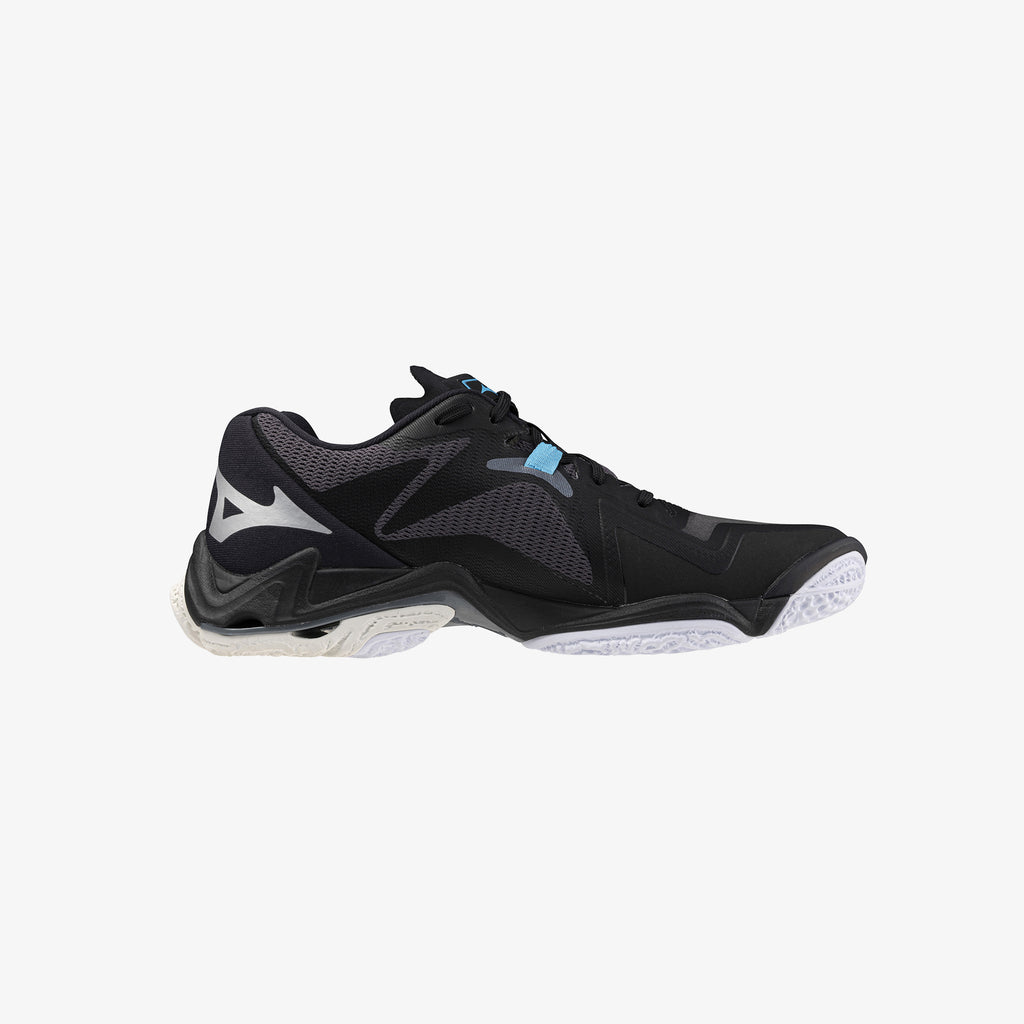
QUICK ANSWERThe best indoor volleyball shoe is a clean non-marking model with predictable grip, a stable lateral platform, secure heel and midfoot hold, and cushioning matched to the player's jump workload. Speed-first players may prefer a lighter low-cut model, while frequent hitters and blockers may value more controlled impact protection.
WHAT THIS GUIDE SOLVESProvide a court-first framework for choosing indoor volleyball shoes by traction, role, workload, and fit.
As an Amazon Associate, we may earn from qualifying purchases.
Start with traction and stability
Indoor volleyball depends on short braking steps and rapid changes of direction. The outsole should feel consistent on wood or synthetic court, while the midsole and upper keep the foot centered when force reaches the edge of the shoe.
Cleanliness is part of performance. Indoor-only use, routine dust removal, and inspection for smooth tread help preserve predictable grip regardless of price tier.
Choose a profile for the role
Liberos and setters often favor lighter shoes with close court feel for repeated defensive and transition work. Outside hitters and middle blockers commonly benefit from additional cushioning and a stable landing base.
These are starting points, not rules. A player's body size, movement style, practice volume, and fit preference can matter more than the position name.
COMPARE CURRENT OPTIONSSee best indoor volleyball shoes available now
Compare current models, sizes and colorways, then confirm the exact version and seller details on Amazon before purchasing.
Browse current options on Amazon ↗ Fit-check before keeping a pair
The heel should remain seated, the midfoot should not slide, and toes should have enough room to avoid front impact during stops. Width is equally important: sizing longer is not a reliable fix for a platform that is too narrow.
Test with volleyball socks and perform controlled shuffles, approaches, and landings. A good indoor shoe should feel secure immediately, even if the upper softens slightly with use.
Frequently asked questions
What outsole is best for indoor volleyball?
A clean, non-marking court outsole with predictable traction is the goal. Rubber color is not a reliable quality test.
Should indoor volleyball shoes be soft?
They should provide enough cushioning for the workload without becoming unstable. Controlled compression is generally more useful than maximum softness.
Can indoor shoes be worn outside?
Occasional exposure is possible, but pavement accelerates wear and carries debris. Keeping the pair indoor-only preserves its court traction.
Which indoor shoes suit liberos?
Look for light weight, braking grip, a secure low-to-court platform, and lateral containment rather than maximum cushioning.
Which indoor shoes suit hitters?
Prioritize stable takeoffs, controlled landing cushioning, secure lockdown, and enough agility for approach and back-row movement.
Final verdict
The best indoor volleyball shoe is a clean non-marking model with predictable grip, a stable lateral platform, secure heel and midfoot hold, and cushioning matched to the player's jump workload. Speed-first players may prefer a lighter low-cut model, while frequent hitters and blockers may value more controlled impact protection. Use the linked collection and model profiles to narrow the shortlist, then let secure fit and predictable court movement decide the final pair.