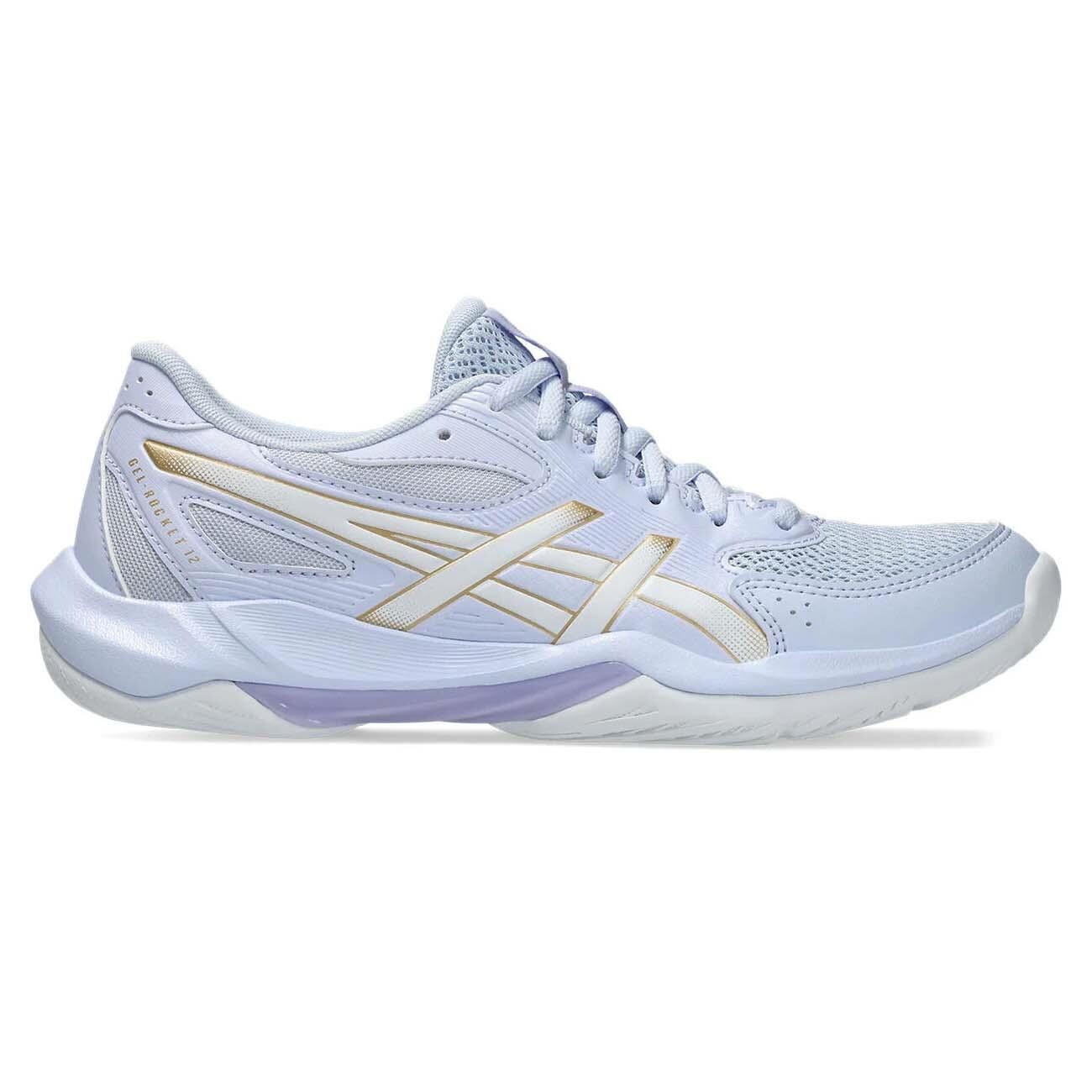
QUICK ANSWERMen should choose volleyball shoes by heel security, forefoot room, lateral stability and jump workload. A low, agile model suits speed-first play; a more cushioned, stable platform suits repeated attacking and blocking. Brand and collar height are secondary to the fit of the exact model.
WHAT THIS GUIDE SOLVESGuide men toward a volleyball shoe whose shape, court profile and impact protection match their actual play.
As an Amazon Associate, we may earn from qualifying purchases.
Start with shape, not the size printed on an old pair
Measure both feet and use the manufacturer’s current size chart. Men’s court shoes can differ substantially in toe-box taper, instep volume and heel shape even within one brand. The correct length still fails if the heel lifts, the midfoot floats or the forefoot is compressed.
A unisex listing is not a different performance category; it is a sizing and fit consideration. Confirm which scale Amazon displays, check the model chart, and preserve modest landing room without adding enough length to create sliding.
Choose a platform for the movement load
Liberos, setters and quick all-court players can prioritize clean-court grip, controlled braking and a low-bulk ride. The men’s Upcourt 6 and Ligra 8 are accessible starting points, while Hyperquick, HyperSpeed and Netburner Ballistic profiles move toward faster performance play.
Hitters and middle blockers should pay closer attention to landing protection, upper containment and a base that remains composed under approach jumps. Sky Elite FF, Wave Momentum, Crazyflight and HyperSet models are relevant comparison points, provided their individual fit works.
COMPARE CURRENT OPTIONSSee mens volleyball shoes available now
Compare current models, sizes and colorways, then confirm the exact version and seller details on Amazon before purchasing.
Browse current options on Amazon ↗ Test stability rather than guessing from cut height
Lace the shoe with match socks and any normal support gear, then test side shuffles, deceleration and controlled landings on a safe surface. The foot should not roll over the platform or collide with the front. A mid cut may feel more contained, but it is not a substitute for a stable base and secure heel.
Persistent pain or repeated ankle problems need professional assessment. A guide can explain shoe characteristics, but it cannot determine the cause of symptoms or guarantee injury prevention.
Frequently asked questions
Should men buy volleyball shoes true to size?
Use true to the brand’s current chart as a starting point, then verify heel hold, forefoot width and landing room in the exact model.
Can men wear unisex volleyball shoes?
Yes. Confirm the displayed size scale and model chart; unisex sizing does not mean one shape fits every foot.
Are basketball shoes good for men’s volleyball?
Some work, but evaluate weight, clean-court traction, lateral containment and outsole geometry rather than assuming every basketball model transfers well.
Do middle blockers need mid-top shoes?
No. They need stable takeoffs, controlled landings and secure fit; those qualities exist in both low- and mid-cut models.
What should wide-footed men avoid?
Avoid solving width pressure with excessive length. Seek a genuinely roomier last or width option while keeping the heel and midfoot secure.
Final verdict
Men should choose volleyball shoes by heel security, forefoot room, lateral stability and jump workload. A low, agile model suits speed-first play; a more cushioned, stable platform suits repeated attacking and blocking. Brand and collar height are secondary to the fit of the exact model. Use the linked collection and model profiles to narrow the shortlist, then let secure fit and predictable court movement decide the final pair.