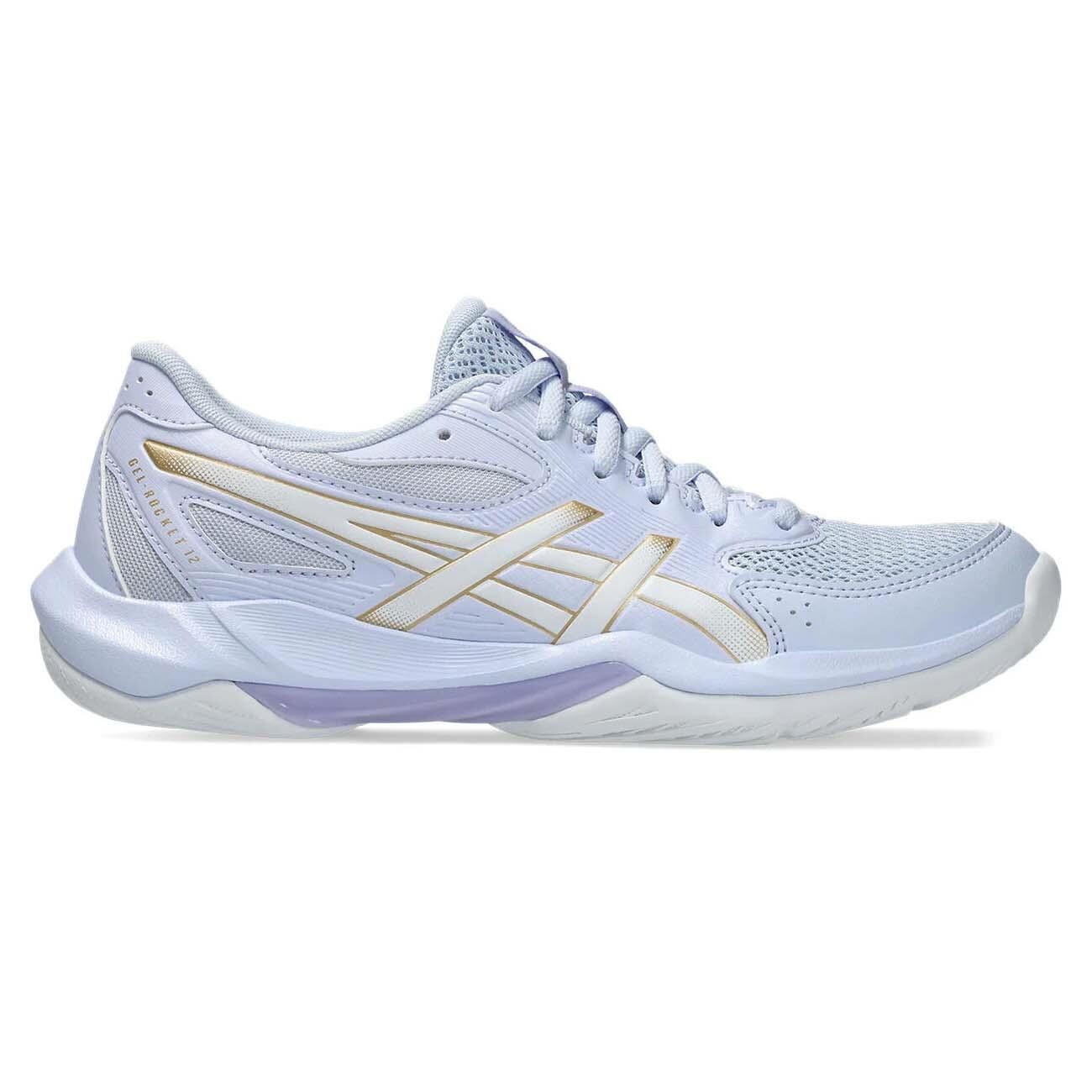
QUICK ANSWERMen with wide feet should match the shoe to both horizontal width and vertical volume, then confirm that the heel remains locked during cuts. Buying a longer size to gain room can move the flex point and create sliding. A genuinely compatible shape feels spacious at the toes but controlled at the rearfoot and midfoot.
WHAT THIS GUIDE SOLVESHelp men find enough forefoot and instep room without sacrificing heel hold or lateral platform control.
As an Amazon Associate, we may earn from qualifying purchases.
Distinguish width from high volume
A broad forefoot presses the sidewalls near the toe joints; a high-volume foot often feels lace pressure or tongue compression over the instep. These needs can occur together, but they are not solved in the same way. Note the exact pressure location before comparing sizes.
The heel may be relatively narrow even when the forefoot is broad. A model with a roomy front and shaped rearfoot can work better than a uniformly loose shoe. Heel slip is not an acceptable cost of forefoot comfort in a lateral sport.
Keep the shoe's flex point aligned
The forefoot should bend near the ball of the foot as the player loads for a push-off. Excess length can place the shoe's flex zone too far forward, leaving the foot to slide before the upper reacts. This is one reason that sizing up for width can make a shoe feel clumsy despite solving initial side pressure.
Measure both feet and fit the larger one, then compare wide sizes or different lasts at that length. If one foot is modestly smaller, selective lacing may improve its hold without compromising the larger foot.
COMPARE CURRENT OPTIONSSee mens wide volleyball shoes available now
Compare current models, sizes and colorways, then confirm the exact version and seller details on Amazon before purchasing.
Browse current options on Amazon ↗ Stress-test the midfoot and base
A heavier or more powerful player can place substantial lateral load on the platform, but body size alone does not dictate one shoe. Test the base with progressive side plants and observe whether the foam leans, the upper stretches, or the foot crosses the midsole edge.
Comfort should remain consistent after several minutes of movement. Tingling, hot pressure, or needing to loosen the shoe repeatedly suggests insufficient shape or volume rather than a normal break-in stage.
Frequently asked questions
Can men wear unisex volleyball shoes for more width?
Yes, but unisex is a sizing category, not a width guarantee. Compare the exact last, size chart, forefoot shape, and heel fit.
Is a wide basketball shoe suitable for volleyball?
It can be if the model also has predictable indoor traction, stable lateral geometry, manageable weight, and controlled cushioning.
How tight should laces be over a high instep?
Tight enough to secure the heel and midfoot without tingling, numbness, or sharp pressure. Alternative lacing can redistribute mild pressure, but cannot fix a fundamentally shallow shoe.
Does removing the sockliner create a wide fit?
It may add vertical room but does not widen the base, and playing without the intended sockliner can change cushioning and fit. Use a compatible insole plan instead.
When is a men's volleyball shoe too wide?
If the foot slides before the outsole changes direction, the heel lifts, or the laces must be overtightened to create control, the fit is too loose.
Final verdict
Men with wide feet should match the shoe to both horizontal width and vertical volume, then confirm that the heel remains locked during cuts. Buying a longer size to gain room can move the flex point and create sliding. A genuinely compatible shape feels spacious at the toes but controlled at the rearfoot and midfoot. Use the linked collection and model profiles to narrow the shortlist, then let secure fit and predictable court movement decide the final pair.