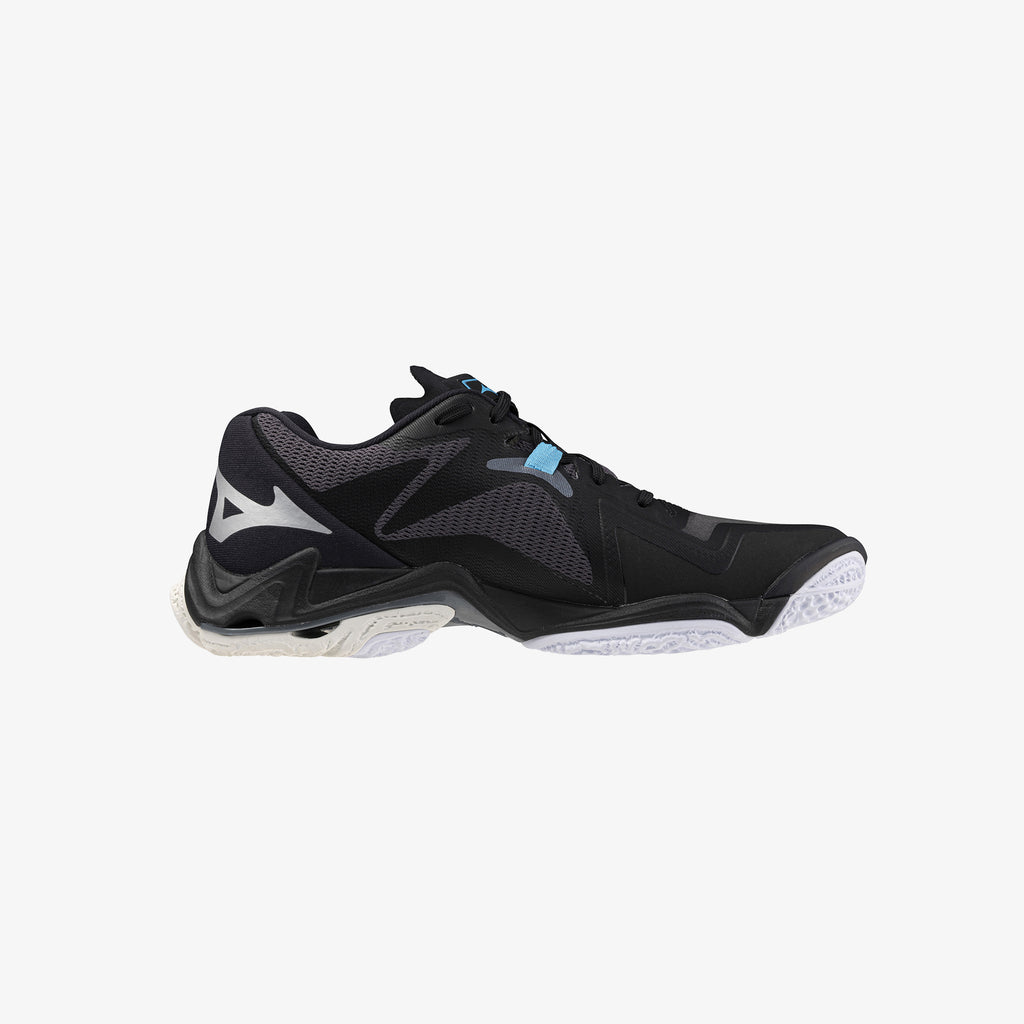
QUICK ANSWERBeginners should choose a comfortable court shoe with predictable indoor grip, a secure heel and midfoot, a stable base, and balanced cushioning. Start with an entry or mid-tier model that fits now; specialization, premium foam, and collar height can wait until the player understands their role and preferences.
WHAT THIS GUIDE SOLVESGive first-time players a short, non-brand-led process for selecting an affordable and versatile volleyball shoe.
As an Amazon Associate, we may earn from qualifying purchases.
The beginner feature checklist
Begin with fit, then traction, stability, and cushioning—in that order. The heel should not lift, the foot should not slide sideways inside the upper, and toes need a small amount of space for abrupt stops.
A non-marking outsole should grip a clean gym floor predictably. The platform should feel steady during a slow lateral push rather than allowing the foot to spill over the side.
Choose versatility over specialization
New players rotate through skills and may not yet know whether they prefer a fast defensive shoe or a heavily cushioned jumping model. A balanced low-cut court shoe is usually the easiest place to start.
High collars, very soft foam, and elite jump geometry are preferences rather than beginner requirements. Avoid paying for a feature before the player knows that it improves their experience.
COMPARE CURRENT OPTIONSSee best volleyball shoes for beginners available now
Compare current models, sizes and colorways, then confirm the exact version and seller details on Amazon before purchasing.
Browse current options on Amazon ↗ Fit youth and growing players carefully
Measure both feet and fit the larger one, using the socks worn for practice. Buying excessive growth room can allow sliding and reduce court control, so remeasure regularly instead of oversizing dramatically.
A youth-specific model or an appropriate small adult size can work if the width, heel shape, and flex point align with the foot. The size number alone does not confirm fit.
Protect the first pair
Carry volleyball shoes to practice rather than wearing them across parking lots. Indoor-only use slows outsole wear and keeps dust and grit away from the court.
After play, loosen the laces and air-dry the pair away from direct heat. Replace it when grip remains poor after cleaning or the upper no longer contains the foot.
Frequently asked questions
How much should beginner volleyball shoes cost?
There is no required price. Entry models are often sufficient when they fit securely and meet basic grip, stability, and cushioning needs.
Should a beginner choose low-tops or high-tops?
Most can start with a versatile low- or mid-cut model, but fit and comfort matter more than collar height.
Can beginners use basketball shoes?
Yes, if the pair is clean, stable, not excessively heavy, and grips the indoor court predictably.
Should beginners size up?
Only when measurements and the specific model require it. Extra length can cause sliding and reduce control during stops.
What are good entry-level volleyball models?
Current entry lines include ASICS Upcourt and Gel-Rocket, Mizuno Cyclone Speed, and Adidas Ligra. Availability and fit vary, so compare the exact model and size.
How long should a beginner pair last?
There is no fixed lifespan. Frequency, surface, movement, fit, and care affect wear; inspect traction, cushioning, and upper containment regularly.
Final verdict
Beginners should choose a comfortable court shoe with predictable indoor grip, a secure heel and midfoot, a stable base, and balanced cushioning. Start with an entry or mid-tier model that fits now; specialization, premium foam, and collar height can wait until the player understands their role and preferences. Use the linked collection and model profiles to narrow the shortlist, then let secure fit and predictable court movement decide the final pair.