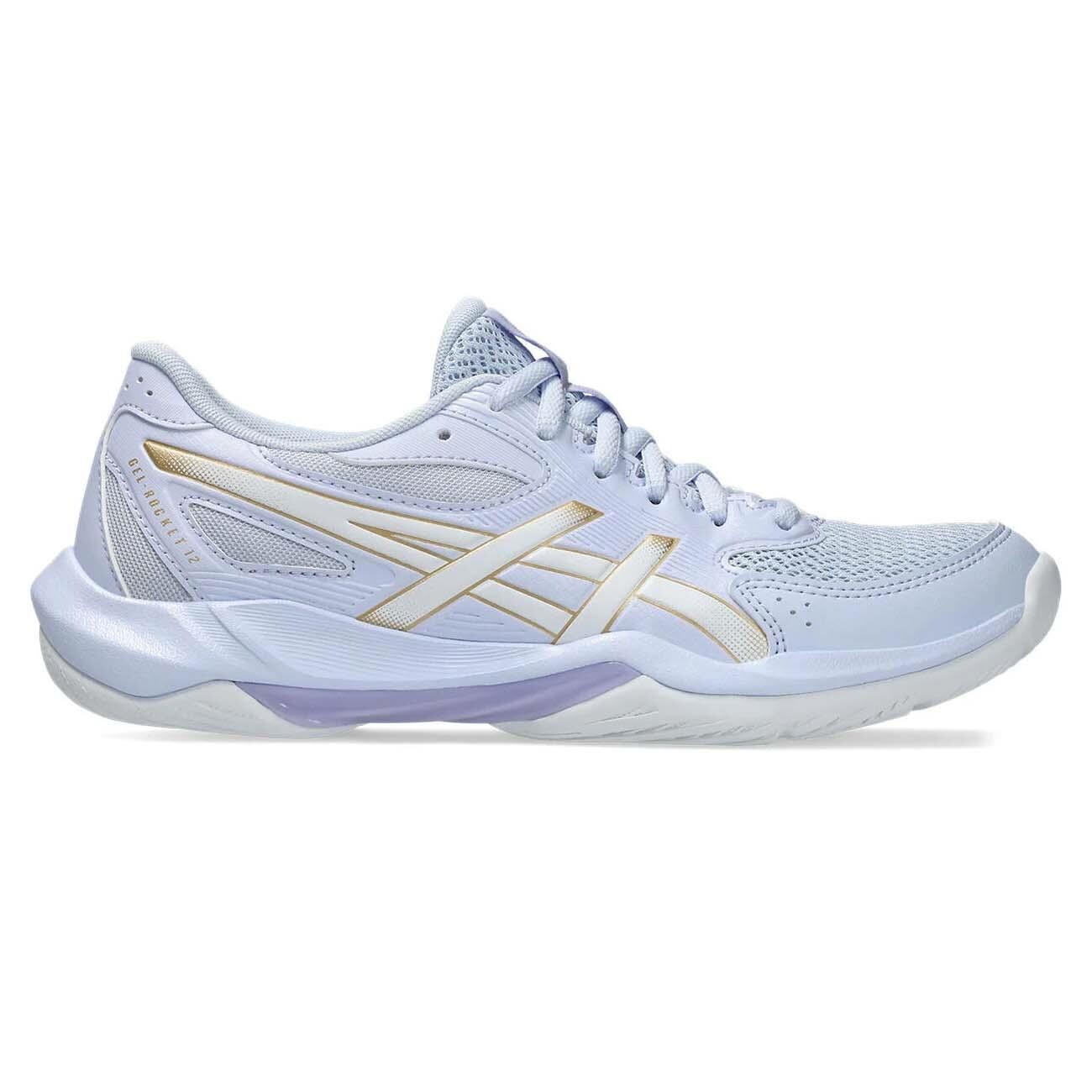
QUICK ANSWERPlayers with flat or low arches often prefer a stable platform, a secure heel, and an insole shape that feels supportive without creating hard focal pressure. Arch appearance alone does not determine the right shoe or insole, and a product cannot diagnose or treat pain. Choose by comfortable movement, and consult a qualified clinician for persistent symptoms or an individualized orthotic plan.
WHAT THIS GUIDE SOLVESOffer non-diagnostic footwear criteria for players with low arches while separating comfort from medical treatment.
As an Amazon Associate, we may earn from qualifying purchases.
Start with platform behavior
A stable volleyball shoe should stay predictable as the player loads the inside and outside edges during cuts. Broad ground contact, controlled foam, and midfoot structure can matter more than a visibly high arch insert. The goal is not to force the foot into a particular shape, but to give it a consistent base for court movement.
Check the heel as well. If the rearfoot slides or the shoe collapses to one side under moderate movement, tightening the laces may only add pressure without improving the platform. Compare another model rather than assuming every low-arch foot needs the firmest possible shoe.
Judge the arch interface by comfort
Some players like noticeable contact under the arch; others find it irritating. A hard ridge that creates sharp pressure is not evidence that support is working. Wear the shoe through a progressive indoor try-on and note whether contact remains evenly comfortable as the foot warms and moves.
An aftermarket insole can change arch feel, heel depth, and overall volume. It cannot fix a shoe that is too narrow, too long, or unstable. Any replacement should sit flat and leave enough room that the toes and instep are not compressed.
COMPARE CURRENT OPTIONSSee best volleyball shoes for flat feet available now
Compare current models, sizes and colorways, then confirm the exact version and seller details on Amazon before purchasing.
Browse current options on Amazon ↗ Keep medical questions out of product promises
Flat feet can be comfortable and functional, and people with similar arch shapes can prefer very different shoes. Footwear descriptions that promise correction or injury prevention oversimplify the individual. Use practical observations—fit, pressure, control, and comfort—rather than diagnosing from a footprint.
Pain, numbness, swelling, or symptoms that continue away from volleyball deserve professional assessment. Bring the court shoes, normal socks, and any existing insert to that conversation so advice reflects the actual playing setup.
Frequently asked questions
Do flat feet always need stability shoes?
No. Arch shape alone does not dictate one footwear category. Evaluate platform control and comfort on the individual foot, and seek professional advice for symptoms.
Should the arch of a volleyball shoe feel firm?
It may feel present, but it should not create sharp or concentrated pressure. Comfortable, even contact is more useful than an aggressive ridge.
Can insoles fix flat feet?
Insoles can change shoe volume, cushioning, and underfoot feel, but they are not a universal correction or treatment. Individualized medical questions belong with a qualified clinician.
Are cushioned shoes best for low arches?
Cushioning preference varies. Favor foam that feels comfortable and remains laterally stable rather than choosing softness alone.
What movements should I test?
Use a low stance, controlled shuffles, lateral stops, and two-foot landings. Stop if the setup causes pain, numbness, or unstable motion.
Final verdict
Players with flat or low arches often prefer a stable platform, a secure heel, and an insole shape that feels supportive without creating hard focal pressure. Arch appearance alone does not determine the right shoe or insole, and a product cannot diagnose or treat pain. Choose by comfortable movement, and consult a qualified clinician for persistent symptoms or an individualized orthotic plan. Use the linked collection and model profiles to narrow the shortlist, then let secure fit and predictable court movement decide the final pair.