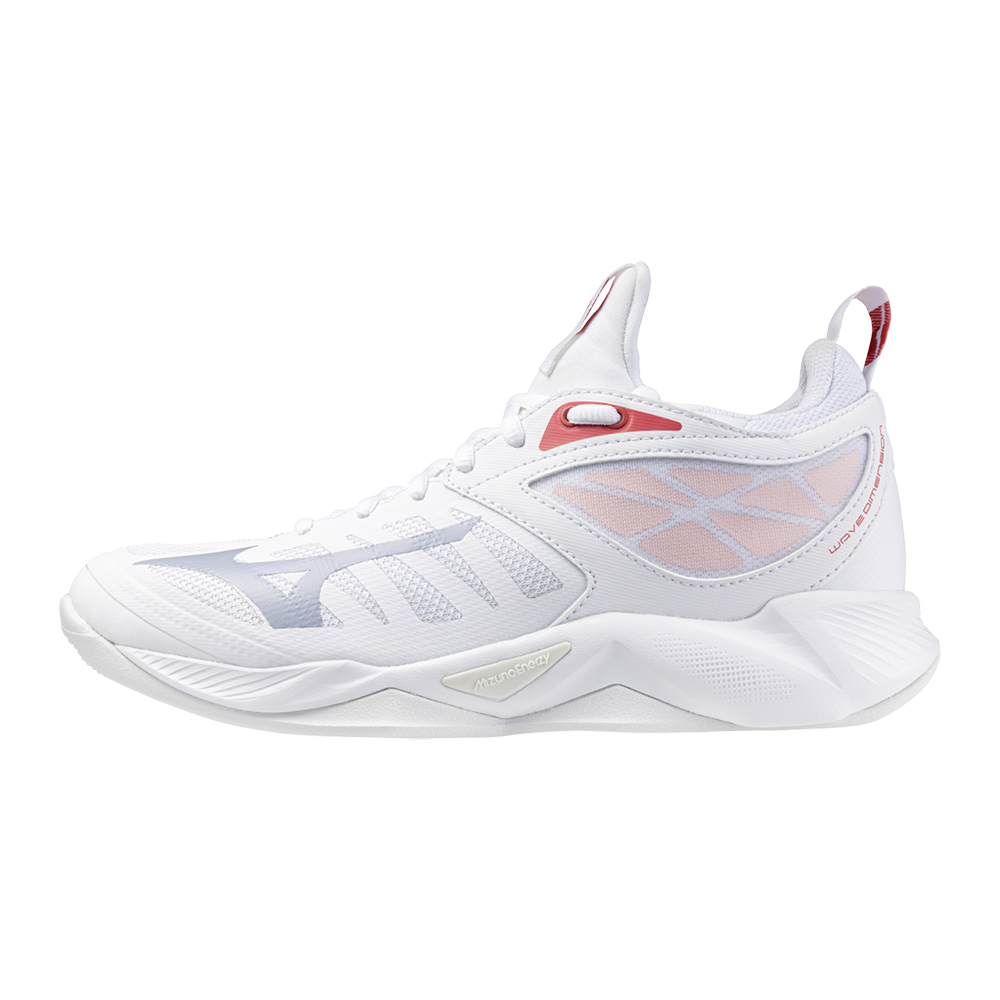
QUICK ANSWERThe best volleyball shoe for a wide foot matches the foot's shape through the toes, ball, midfoot, and instep while keeping the heel secure. Do not size up solely to escape side pressure; excess length can create sliding during cuts. Compare labeled wide options where available, but still test the exact model because width codes do not describe toe-box shape or vertical volume.
WHAT THIS GUIDE SOLVESTeach wide-foot players to distinguish genuine width and usable volume from simply buying a longer shoe.
As an Amazon Associate, we may earn from qualifying purchases.
Identify where the foot needs space
Wide is not one shape. Some feet need room only across the toe joints, while others have a broad midfoot, high instep, square toe line, or a combination of these. Trace pressure after several minutes of movement: little-toe pinching points to a different problem than lace bite over the instep.
The foot should remain over the midsole rather than hanging beyond it. A stretchy upper can hide side pressure while the underlying platform remains too narrow, so inspect the base as well as the fabric.
Use size and width as separate controls
Length should protect the toes during braking and landing. Width should allow natural spread without losing lateral containment. Moving up a full size changes both variables and can shift flex points away from the ball of the foot, which is why a wider last or alternate model is usually the cleaner solution.
Brand labels are only a starting point. A standard-width shoe with a rounded forefoot may suit one wide foot better than a labeled wide shoe with the wrong taper. Try both feet in volleyball socks and compare the same movement sequence.
COMPARE CURRENT OPTIONSSee best volleyball shoes for wide feet available now
Compare current models, sizes and colorways, then confirm the exact version and seller details on Amazon before purchasing.
Browse current options on Amazon ↗ Check wide-fit stability on court
Room is useful only if the foot stays centered during a plant. Perform a controlled shuffle, outside-foot stop, and two-foot landing. The toes should spread without the heel lifting, the forefoot sliding, or the laces needing to be overtightened.
Do not assume a tight shoe will stretch into the correct platform. Mesh may relax slightly, but sidewalls, overlays, and the midsole footprint change very little. Start with a shape that is playable from the beginning.
Frequently asked questions
Should wide feet size up in volleyball shoes?
Only when measured length or the model's sizing requires it. Sizing up just for width can create heel slip, excess toe length, and delayed control during cuts.
What does a wide size tell me?
It indicates added width under that brand's sizing system, but not exactly where the space is added. Toe taper, midfoot shape, instep volume, and heel fit still require a try-on.
Will volleyball shoes stretch wider?
Soft uppers may relax modestly, but the platform and structural overlays will not become meaningfully wider. Painful side pressure at first fit is a reason to compare another model.
How do I know the platform is too narrow?
Look for the foot spilling over the midsole edge, sidewall bulging, or a tipping sensation during controlled lateral plants.
Can an insole make a shoe wider?
No. A thinner insole may create a little vertical volume, but it does not widen the midsole platform and can change cushioning or fit in other ways.
Final verdict
The best volleyball shoe for a wide foot matches the foot's shape through the toes, ball, midfoot, and instep while keeping the heel secure. Do not size up solely to escape side pressure; excess length can create sliding during cuts. Compare labeled wide options where available, but still test the exact model because width codes do not describe toe-box shape or vertical volume. Use the linked collection and model profiles to narrow the shortlist, then let secure fit and predictable court movement decide the final pair.