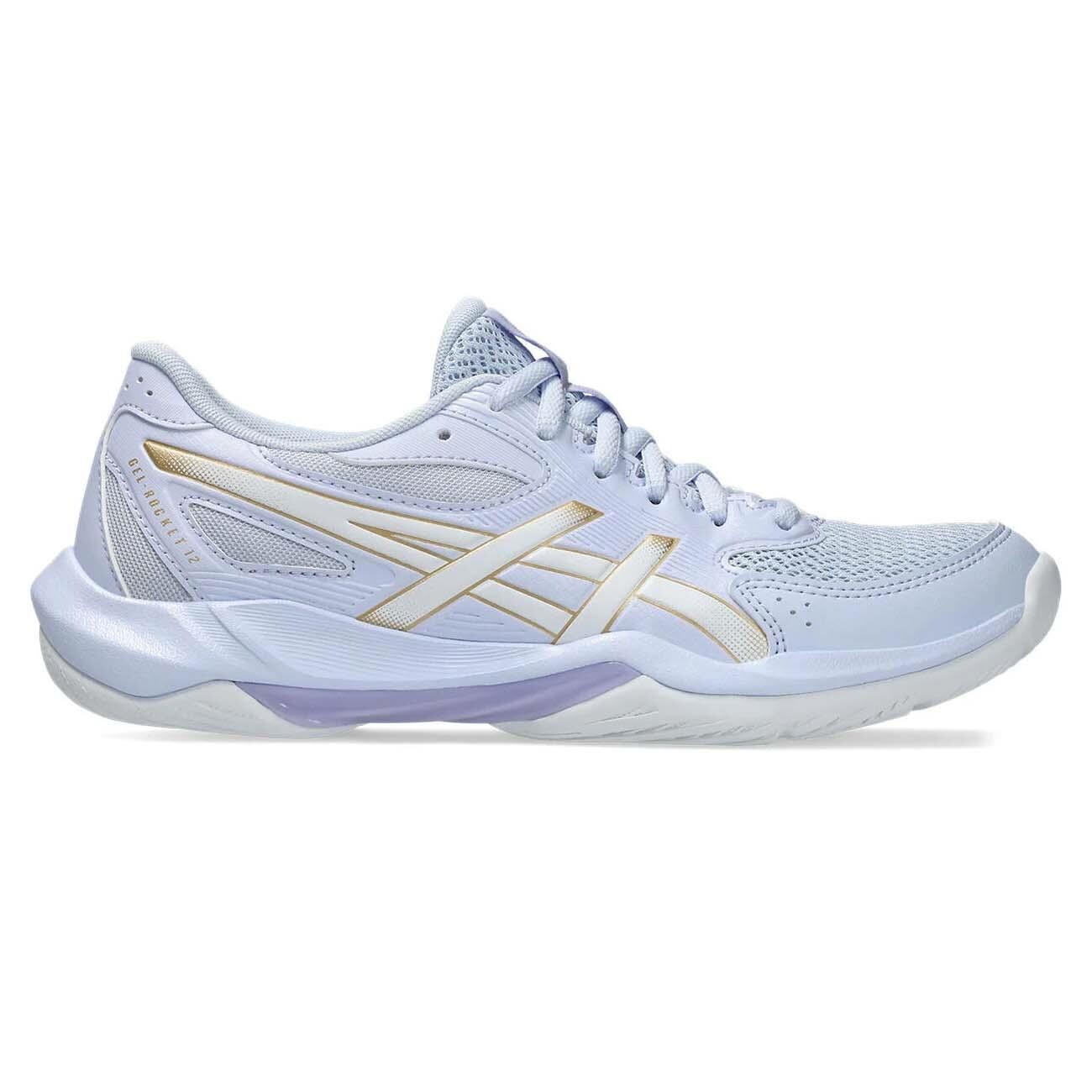
QUICK ANSWERWomen with wide feet should begin with measured foot length and the location of needed width, then compare women's wide sizes and suitable unisex shapes without assuming they are interchangeable. The forefoot needs room to spread, while the heel must remain secure during lateral stops. Convert unisex sizing carefully and judge each exact model on court movements.
WHAT THIS GUIDE SOLVESHelp women compare women-specific, unisex, and alternate-width court shoes for a broad forefoot or higher-volume foot.
As an Amazon Associate, we may earn from qualifying purchases.
Map forefoot width and heel shape separately
A common challenge is finding enough room at the ball of the foot without creating a loose heel. Women's models, unisex models, and different brand lasts distribute volume differently, so the best option is not necessarily the one with the largest size label. Check where the shoe narrows and where the foot actually presses.
Use both standing and movement checks. The forefoot expands under load, while the heel reveals looseness during flexion and braking. A pair can feel comfortable seated yet allow significant motion once the knees and ankles bend.
Convert unisex sizing with care
A unisex shoe may offer a useful shape or broader base, but its numerical size does not directly match every women's label. Follow the model's conversion chart, then confirm actual internal length. Do not rely on a single universal size subtraction across all listings and regions.
Unisex does not automatically mean wide. Some unisex performance lasts are snug through the midfoot or tapered at the toes. Treat the category as another option to test, not a guaranteed solution.
COMPARE CURRENT OPTIONSSee womens wide volleyball shoes available now
Compare current models, sizes and colorways, then confirm the exact version and seller details on Amazon before purchasing.
Browse current options on Amazon ↗ Tune volume without losing court control
Lacing can relieve modest instep pressure by skipping or redistributing an eyelet, while still anchoring the heel. It cannot widen the base beneath the foot. If comfortable volume requires leaving the entire midfoot loose, the shoe is the wrong shape for lateral play.
A replacement insole can also alter vertical space, but changes should preserve heel seating and the intended feel of the shoe. Players using orthotics or managing persistent foot symptoms should fit the complete setup and seek individualized professional guidance when needed.
Frequently asked questions
Are men's volleyball shoes better for wide-footed women?
Not automatically. Some may provide a useful shape after correct size conversion, but heel fit, length, and midfoot geometry can differ; test the exact model.
Should I choose wide or extra-wide?
Choose the width that gives toe and forefoot room while preserving heel and midfoot control. Width labels vary by brand, so movement testing matters more than the code alone.
Can lacing fix a wide forefoot?
Lacing can adjust upper pressure and instep volume, but it cannot enlarge the outsole platform or change a narrow toe taper.
How should a wide women's shoe feel in a lateral stop?
The toes should spread naturally, the foot should remain centered over the base, and the heel should stay seated without painful lace pressure.
Do I need a thicker sock to stop heel slip?
A small sock adjustment may help, but it can crowd the forefoot. Persistent heel slip usually calls for a different size, shape, or lacing setup.
Final verdict
Women with wide feet should begin with measured foot length and the location of needed width, then compare women's wide sizes and suitable unisex shapes without assuming they are interchangeable. The forefoot needs room to spread, while the heel must remain secure during lateral stops. Convert unisex sizing carefully and judge each exact model on court movements. Use the linked collection and model profiles to narrow the shortlist, then let secure fit and predictable court movement decide the final pair.