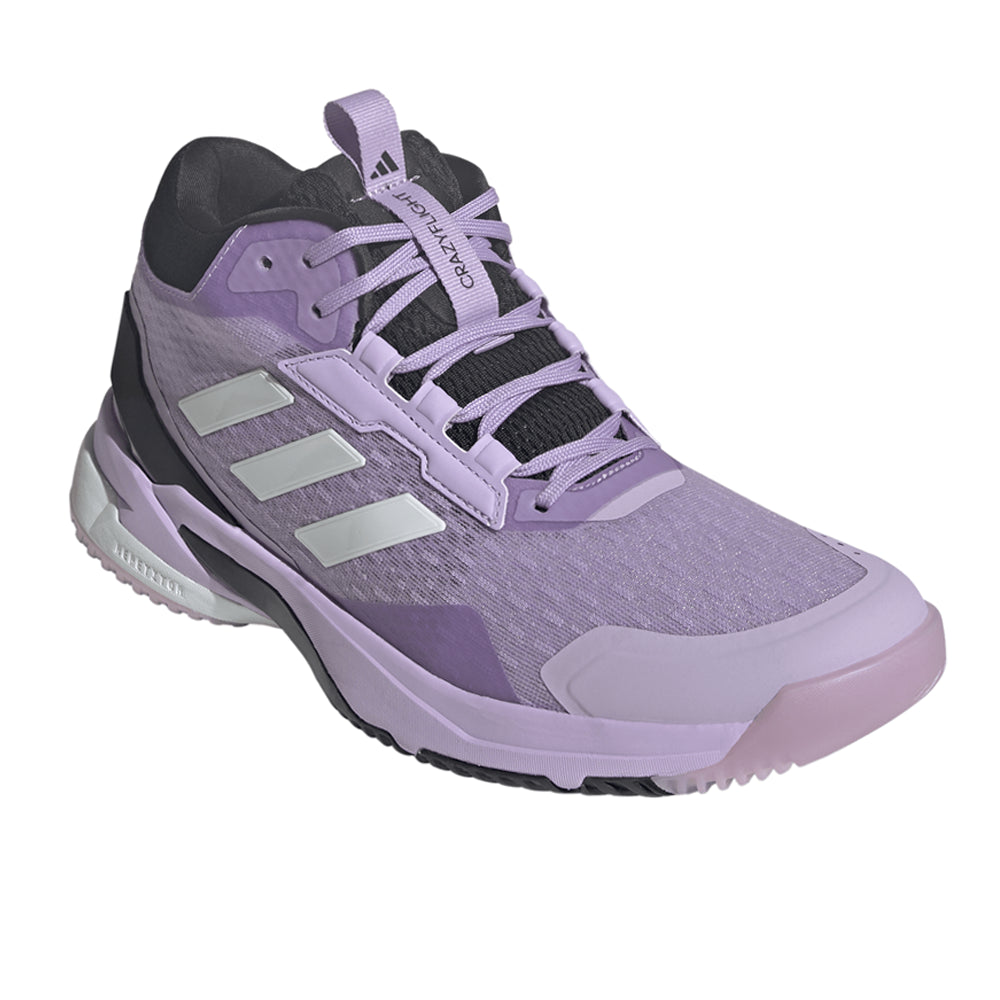
QUICK ANSWERA brace-compatible volleyball shoe needs an opening wide enough for safe entry, sufficient interior volume, and a heel pocket that still holds the combined foot-and-brace setup. Do not automatically buy a longer shoe, because excess length can create sliding. Brace compatibility means the equipment fits and functions together; it does not guarantee that an ankle injury will be prevented.
WHAT THIS GUIDE SOLVESShow players how to fit an ankle brace inside a volleyball shoe without confusing compatibility with prevention.
As an Amazon Associate, we may earn from qualifying purchases.
Fit the brace and shoe as one system
Bring the exact brace, volleyball socks, and any prescribed insert to every try-on. A shoe that fits the bare foot may become shallow at the instep or narrow around brace straps. The brace should sit in its intended position without folding, and the shoe's tongue and laces should close evenly over it.
Check that the heel reaches the bottom and back of the heel pocket. If the brace holds the foot forward or above the intended seat, the shoe can feel short and unstable even when its labeled length is correct. A wider opening or higher-volume model is usually a better answer than forcing entry.
Preserve lockdown without pressure
Laces must secure the shoe around the brace without creating numbness, pinching straps, or distorting the device. The top line should not rub the brace edge into the skin during deep ankle flexion. Walk, squat, and perform controlled shuffles long enough to detect pressure that a seated fit misses.
A mid or high cut is not automatically more compatible. Its collar may compete for the same space as the brace, while some low cuts open farther and seat the heel more easily. Compare construction rather than shopping by cut label.
COMPARE CURRENT OPTIONSSee volleyball shoes with ankle braces available now
Compare current models, sizes and colorways, then confirm the exact version and seller details on Amazon before purchasing.
Browse current options on Amazon ↗ Run a progressive movement check
Begin with walking and an athletic stance, then add lateral shuffles, gradual stops, and controlled landings if cleared for those movements. The foot and brace should move with the shoe, not inside it. Recheck straps and lacing after several minutes because materials can settle.
Brace use after an injury or for a diagnosed condition should follow a qualified professional's plan. Stop for sharp pain, numbness, skin injury, or device movement, and have the setup reassessed rather than altering a prescribed brace on your own.
Frequently asked questions
Can extra shoe length help an ankle brace fit?
Not reliably. Preserve correct foot length and look first for more opening, width, or vertical volume; excess length can reduce court control.
Are high-top shoes best with ankle braces?
Not necessarily. A high collar can compete with brace hardware, while some low or mid cuts provide easier entry and better seating. Test the exact combination.
Can an ankle brace prevent every volleyball injury?
No. A brace should be used according to appropriate guidance, and no brace-shoe combination can guarantee injury prevention.
How tight should the shoe be over the brace?
Secure enough that the heel and brace do not shift, but not so tight that circulation, sensation, brace position, or skin comfort is affected.
Can I remove the insole to make brace room?
Removing or replacing an insole changes heel depth and cushioning. Make such changes only when the setup remains stable and consistent with any professional fitting guidance.
Final verdict
A brace-compatible volleyball shoe needs an opening wide enough for safe entry, sufficient interior volume, and a heel pocket that still holds the combined foot-and-brace setup. Do not automatically buy a longer shoe, because excess length can create sliding. Brace compatibility means the equipment fits and functions together; it does not guarantee that an ankle injury will be prevented. Use the linked collection and model profiles to narrow the shortlist, then let secure fit and predictable court movement decide the final pair.