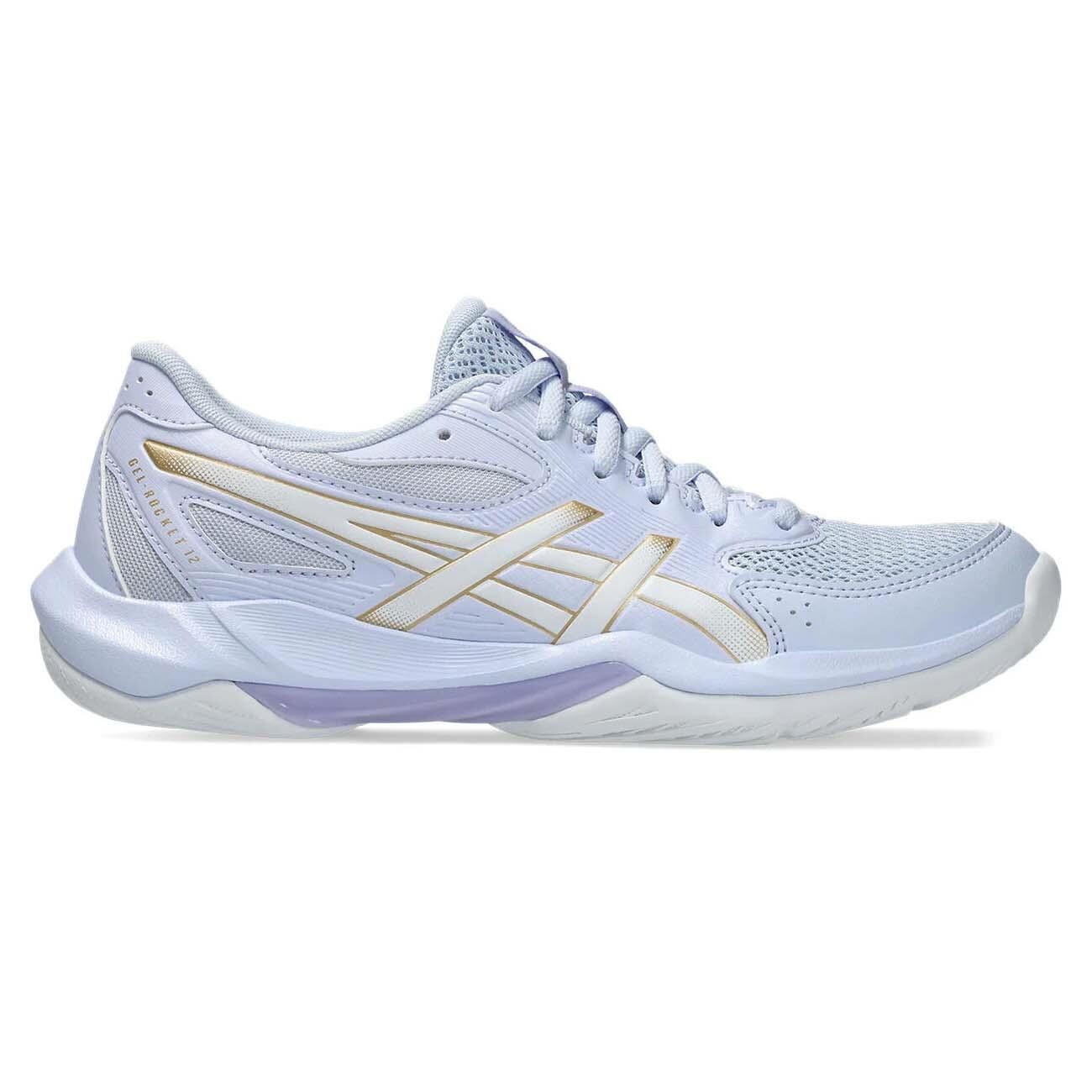
QUICK ANSWERCheer shoes are generally not a good choice for volleyball. They are often designed to be light, flexible, and easy for teammates to grip during stunts, while volleyball shoes need stronger lateral containment, durable indoor traction, and controlled cushioning for repeated jumps and landings. Use a proper court shoe for regular practices and matches.
WHAT THIS GUIDE SOLVESCompare cheer and volleyball footwear by movement demands and explain why cheer shoes are usually unsuitable for sustained court play.
As an Amazon Associate, we may earn from qualifying purchases.
Cheer footwear is built around different tasks
Cheer shoes may prioritize a slim profile, flexibility, and features that support tumbling or stunt contact. Volleyball repeatedly loads the shoe during lateral shuffles, hard braking, approach steps, and unplanned landings. A very light upper or narrow base that is useful for cheer can feel underbuilt during those movements.
Lateral containment is the main concern
During a defensive plant, the foot pushes strongly against the side of the upper. Volleyball footwear uses structure around the heel, midfoot, and platform to keep that force controlled. If a cheer shoe allows the foot to spill over the sole or the upper stretches noticeably, it is not an appropriate substitute.
COMPARE CURRENT OPTIONSSee volleyball shoes available now
Compare current models, sizes and colorways, then confirm the exact version and seller details on Amazon before purchasing.
Browse current options on Amazon ↗ Landing protection and traction also differ
Volleyball players repeat two-foot and one-foot landings through long practices and tournament days. Court shoes balance cushioning with a stable base and use outsoles intended to brake on gym floors. Cheer-shoe traction may feel acceptable in straight movement yet behave differently during a hard lateral stop.
A better temporary and long-term choice
For a gentle beginner session, a stable indoor training shoe may be preferable to an extremely minimal cheer shoe, but a volleyball or suitable basketball shoe is the better goal. Entry volleyball models provide the correct movement geometry without requiring premium pricing. Keep the cheer pair for the activity it was designed to support.
Frequently asked questions
Are cheer shoes and volleyball shoes the same?
No. Both may be used indoors, but they are built for different movement, traction, upper, and cushioning requirements.
Can I wear volleyball shoes for cheer?
A bulky or heavily cushioned volleyball shoe may interfere with tumbling or stunting. Follow the cheer program’s footwear requirements and use shoes intended for that activity.
Are cheer shoes non-marking?
Many are intended for indoor use, but non-marking status does not make them suitable for volleyball’s lateral and landing demands.
Can I use cheer shoes for one volleyball practice?
For very light instruction they may be workable, but avoid intense drills if the shoe lacks lateral stability or secure containment. Switch to court footwear promptly.
What affordable shoes should replace cheer shoes for volleyball?
Compare entry court models such as ASICS Upcourt, ASICS Gel-Rocket, Adidas Ligra, or Mizuno Cyclone Speed, choosing by fit and current availability.
Final verdict
Cheer shoes are generally not a good choice for volleyball. They are often designed to be light, flexible, and easy for teammates to grip during stunts, while volleyball shoes need stronger lateral containment, durable indoor traction, and controlled cushioning for repeated jumps and landings. Use a proper court shoe for regular practices and matches. Use the linked collection and model profiles to narrow the shortlist, then let secure fit and predictable court movement decide the final pair.