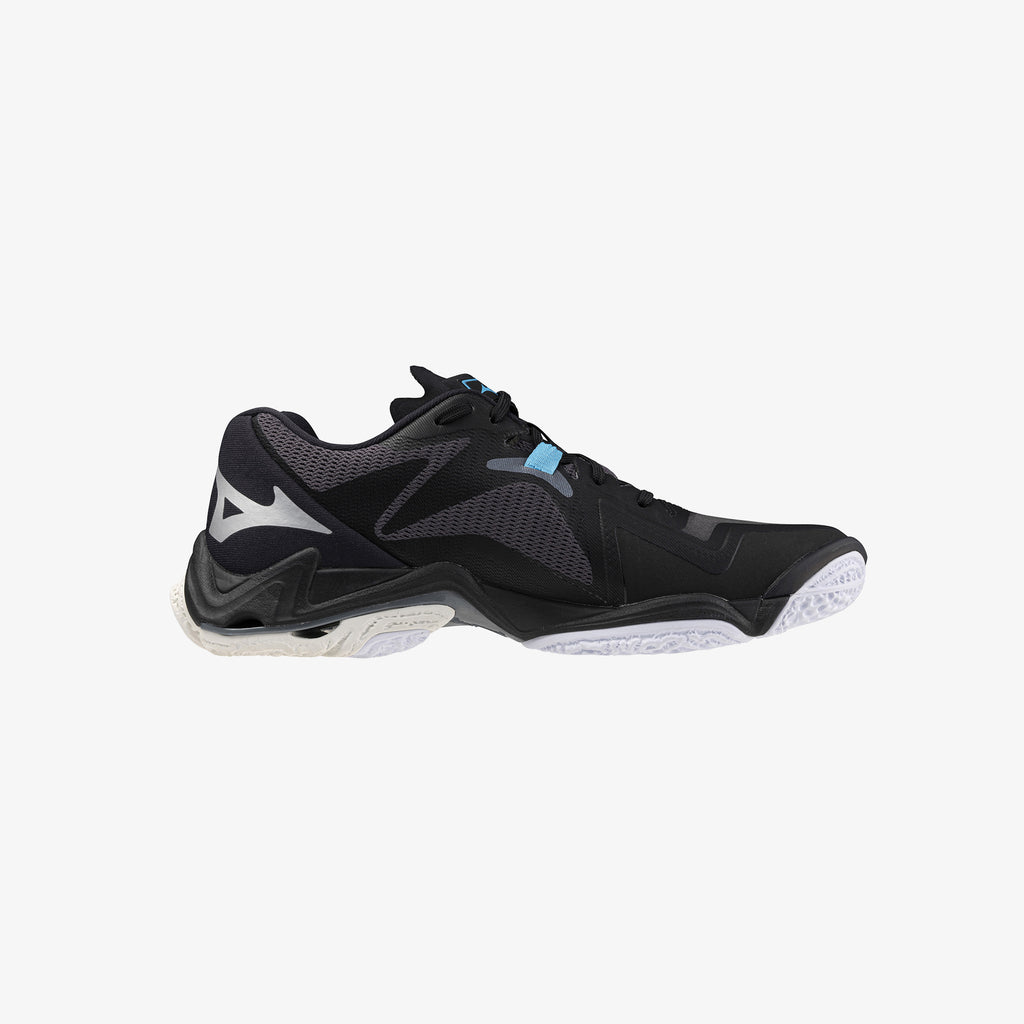
QUICK ANSWERYou do not need a volleyball-specific shoe for a cautious first session if you have a clean, supportive indoor court shoe that fits securely. Dedicated volleyball shoes become more valuable as play gets faster or more frequent because they make court traction, lateral stability, and jump-oriented cushioning easier to find in one package.
WHAT THIS GUIDE SOLVESGive new and occasional players a practical threshold for when dedicated volleyball footwear becomes worthwhile.
As an Amazon Associate, we may earn from qualifying purchases.
A safe starting point for a first practice
A clean basketball, indoor court, or suitable tennis-style court shoe can be reasonable for introductory drills. It should have a non-marking outsole, a stable base, secure heel hold, and enough toe room for stopping and landing.
Running shoes are a weaker substitute because their forward-focused geometry and often softer, narrower platforms are not intended for repeated lateral cuts. Casual sneakers may also lack dependable traction and containment.
Signs it is time for a dedicated pair
Upgrade when the current shoe slides on a clean court, lets the heel lift, feels unstable during shuffles, or leaves the feet unusually fatigued during repeated sessions. More frequent club practices and tournament weekends also justify keeping indoor-only footwear in good condition.
A dedicated pair does not need to be premium. Entry volleyball models can deliver the basic grip and stable fit a beginner needs without specialized cushioning or a high price.
COMPARE CURRENT OPTIONSSee volleyball shoes available now
Compare current models, sizes and colorways, then confirm the exact version and seller details on Amazon before purchasing.
Browse current options on Amazon ↗ What a beginner should prioritize
Fit comes first: the heel and midfoot should feel secure while the toes retain a small amount of functional room. Next check predictable traction and a platform that remains composed when the player pushes sideways.
Choose balanced cushioning rather than the softest shoe in the store. A beginner benefits from a stable, understandable ride that works across passing, setting, serving, and early approach practice.
Frequently asked questions
Can I wear regular sneakers to volleyball practice?
Only if they are clean, non-marking, supportive court-style shoes with reliable traction. Lifestyle sneakers and soft running shoes are poor choices for fast lateral drills.
Do school beginners need expensive volleyball shoes?
No. A well-fitting entry court shoe is usually a sensible start; premium features matter less than secure fit, stable movement, and usable grip.
Can I use tennis shoes for indoor volleyball?
Some court-oriented tennis shoes can work initially, but outdoor models may feel heavier and use harder outsoles. Test grip on the gym floor and keep the sole clean.
Should volleyball shoes be worn outside?
It is better to reserve soft indoor outsoles for the gym. Pavement can wear the tread quickly and carry grit back onto the court.
When should a beginner replace volleyball shoes?
Replace them when traction remains poor after cleaning, cushioning feels permanently compressed, the upper no longer contains the foot, or the outsole is materially worn.
Final verdict
You do not need a volleyball-specific shoe for a cautious first session if you have a clean, supportive indoor court shoe that fits securely. Dedicated volleyball shoes become more valuable as play gets faster or more frequent because they make court traction, lateral stability, and jump-oriented cushioning easier to find in one package. Use the linked collection and model profiles to narrow the shortlist, then let secure fit and predictable court movement decide the final pair.