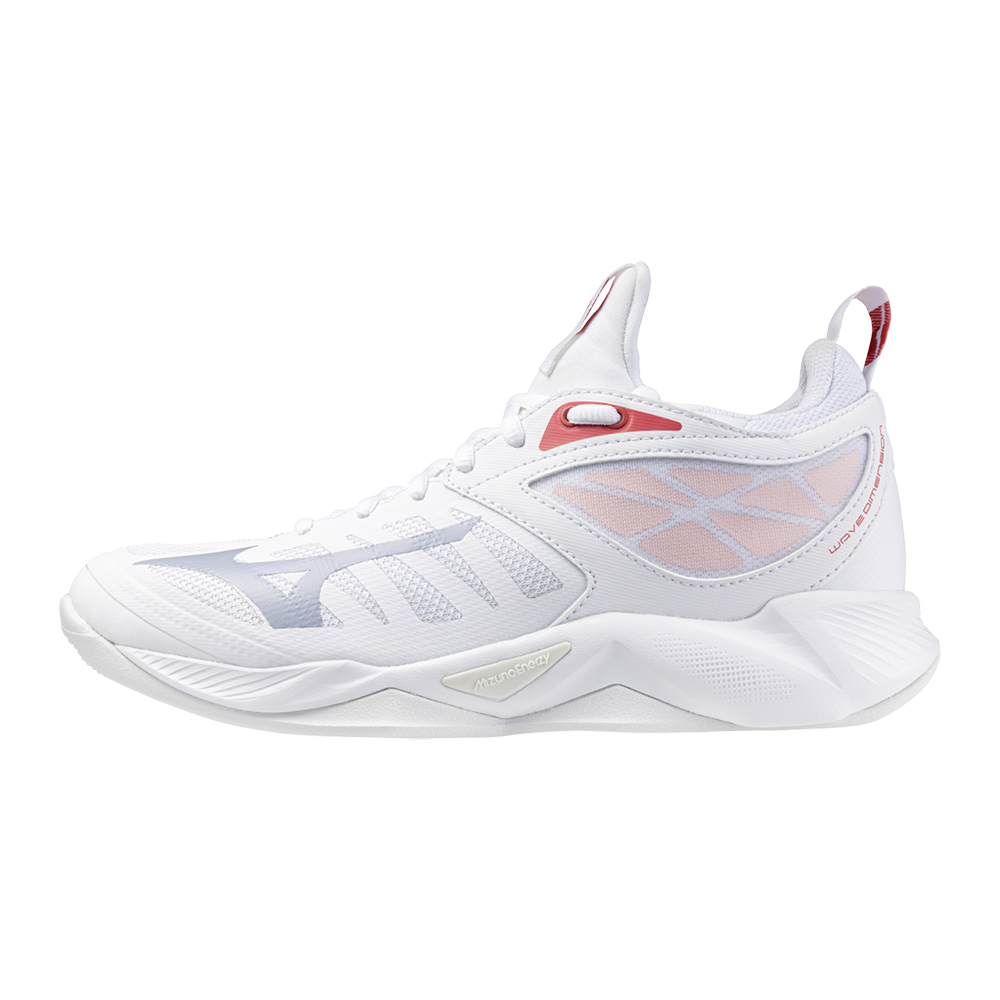
QUICK ANSWERBreak in volleyball shoes with short indoor wear periods followed by light court sessions, using your normal socks and braces. Do not use heat, soaking or forceful bending, and do not expect break-in to fix toe impact, numbness, major heel slip or an unstable platform.
WHAT THIS GUIDE SOLVESProvide a gradual indoor break-in plan while distinguishing normal stiffness from an unfixable size or shape mismatch.
As an Amazon Associate, we may earn from qualifying purchases.
Confirm the size before breaking anything in
A new upper may soften slightly and the footbed may settle, but the shoe will not become meaningfully longer or transform into a different width shape. Test toe room, heel hold and side pressure indoors while the pair remains in returnable condition. Pain, numbness, toes contacting the front and substantial heel lift point to a fit mismatch.
Wear the same socks, brace and insole setup planned for competition. Changing equipment later can alter volume and lockdown, effectively restarting the fit decision. Resolve those variables before logging court time.
Increase movement in controlled stages
Begin with brief indoor wear and ordinary walking, then add controlled shuffles, split steps and low-intensity approach patterns. The first court session should be shorter and less demanding than a tournament day. Check for rubbing, pressure and heel movement after each stage rather than pushing through a developing hot spot.
Alternate with a proven pair during early practices if needed. A gradual transition helps the player evaluate fit and feel; it is not a treatment for a defective or painful shoe. Stop if the shoe creates sharp pain or unstable movement.
COMPARE CURRENT OPTIONSSee volleyball shoes available now
Compare current models, sizes and colorways, then confirm the exact version and seller details on Amazon before purchasing.
Browse current options on Amazon ↗ Avoid damaging shortcuts
Do not heat shoes with a dryer, place them near a radiator, soak them in water or bend the sole aggressively. Heat and moisture can affect foam, adhesives and upper components, while forced flexing may create wear in areas the shoe was not designed to crease.
Plan purchases early enough to allow several controlled sessions before an important event. If the pair never becomes comfortable within normal gentle use, reassess the model and size rather than escalating to a more aggressive method.
Frequently asked questions
How long does it take to break in volleyball shoes?
There is no fixed period. Some flexible models feel ready quickly, while structured models may need several short sessions. Persistent pain is not normal break-in.
Can I use heat to stretch volleyball shoes?
Avoid direct heat. It can damage adhesives, foam and upper materials and may alter the shoe unpredictably.
Should new volleyball shoes feel tight?
They may feel secure or slightly structured, but they should not cause numbness, sharp pressure, toe impact or significant discomfort.
Can I break in shoes at a tournament?
It is better to test them beforehand and bring a proven backup. A tournament is a poor time to discover a fit problem.
Will break-in fix heel slip?
Usually not. Material softening can sometimes make heel movement worse. Recheck size, lacing and model shape.
Final verdict
Break in volleyball shoes with short indoor wear periods followed by light court sessions, using your normal socks and braces. Do not use heat, soaking or forceful bending, and do not expect break-in to fix toe impact, numbness, major heel slip or an unstable platform. Use the linked collection and model profiles to narrow the shortlist, then let secure fit and predictable court movement decide the final pair.