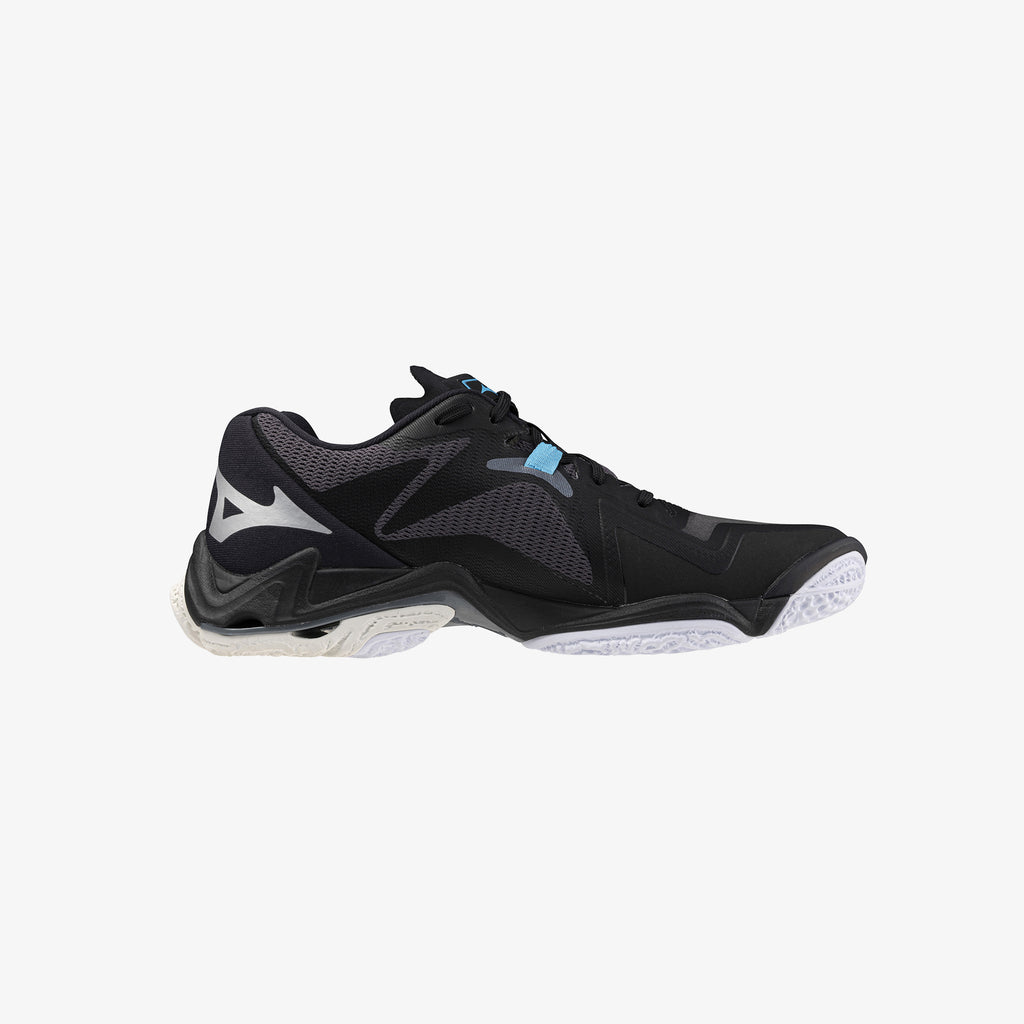
QUICK ANSWERWipe the outsole with a clean, lightly damp microfiber cloth and use a soft brush for grooves, then let it dry fully. Do not use oils, sticky sprays, sugary liquids or harsh solvents; if clean rubber still slips on a clean court, inspect it for wear.
WHAT THIS GUIDE SOLVESExplain how to remove dust and residue from volleyball outsoles safely and distinguish dirty traction from worn traction.
As an Amazon Associate, we may earn from qualifying purchases.
Remove loose dust first
Take the shoes off the playing surface and brush or wipe away loose grit before adding water. Use a separate cloth for each stage so dirt is not spread into the grooves. A small amount of water is usually enough for ordinary court dust; the sole should not be soaked.
For packed debris, use a soft toothbrush or similar non-abrasive brush and work gently along the tread. Avoid sharp tools that can cut rubber or separate bonded sections. Wipe the outsole again with a clean damp cloth to remove loosened material.
Use soap only when residue requires it
If water alone does not remove a film, use a very dilute mild soap solution on the outsole, keeping it away from the upper as much as practical. Follow with a clean damp cloth until no soap remains. Residue can collect new dust and make the sole feel inconsistent.
Avoid alcohol, solvents, bleach and household degreasers unless the shoe manufacturer specifically permits them. These substances can affect rubber, finishes or adhesives. Also avoid products marketed as instant stickiness when their compatibility with the shoe and court is unclear.
COMPARE CURRENT OPTIONSSee volleyball shoe grip cleaner available now
Compare current models, sizes and colorways, then confirm the exact version and seller details on Amazon before purchasing.
Browse current options on Amazon ↗ Know when cleaning is not enough
Let the outsole air-dry completely, then inspect smooth zones at the forefoot, heel and outside edges. Test on a clean indoor court with controlled movement. If traction remains unpredictable while another clean pair grips normally, the rubber may be worn or hardened rather than dirty.
Keep court shoes indoors and store them away from heat to slow unnecessary wear. A quick wipe after dusty sessions is safer than repeated aggressive scrubbing. Cleaning maintains existing rubber; it cannot restore tread that has physically disappeared.
Frequently asked questions
Can I use hand sanitizer on volleyball soles?
Avoid it unless the manufacturer approves it. Alcohol and added ingredients may affect materials or leave an unwanted residue.
Does water improve volleyball shoe grip?
A lightly damp cloth can remove dust. Playing with a wet outsole is not the goal; allow the sole to dry before returning to the court.
Can I use a sticky mat or spray?
Follow facility rules and manufacturer guidance. Improvised sticky substances can attract debris, transfer to the floor and make traction unpredictable.
How often should I clean the soles?
Inspect them before play and wipe them when dust is visible or grip changes. Over-cleaning with chemicals is unnecessary.
Why do clean shoes still slip?
The court may be contaminated, or the outsole rubber may be smooth, hardened or worn. Compare conditions carefully and replace a pair whose traction is no longer dependable.
Final verdict
Wipe the outsole with a clean, lightly damp microfiber cloth and use a soft brush for grooves, then let it dry fully. Do not use oils, sticky sprays, sugary liquids or harsh solvents; if clean rubber still slips on a clean court, inspect it for wear. Use the linked collection and model profiles to narrow the shortlist, then let secure fit and predictable court movement decide the final pair.