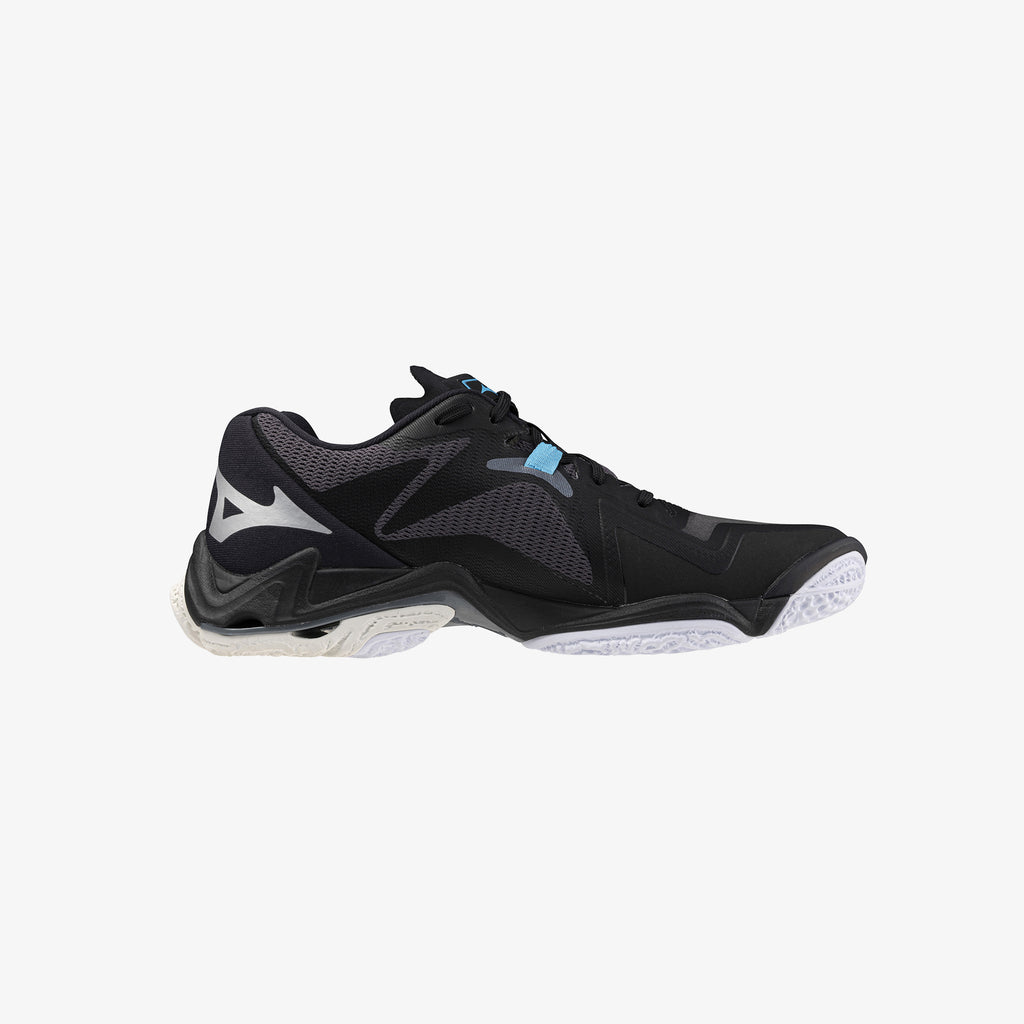
QUICK ANSWERFor more dependable grip, keep volleyball shoes for indoor use, remove outsole dust with a lightly damp cloth and allow the rubber to dry fully. If the shoe still slips on a clean court, inspect for worn or hardened rubber rather than adding sticky substances.
WHAT THIS GUIDE SOLVESImprove dependable traction through clean shoes, clean courts and wear diagnosis without recommending unsafe grip hacks.
As an Amazon Associate, we may earn from qualifying purchases.
Separate court dust from shoe wear
Notice whether every player is slipping in the same zone or whether only one pair has changed. A dusty floor can overwhelm good rubber, while a worn outsole will continue to feel unreliable after both the court and shoe are clean. Compare with a known dependable pair under the same conditions when possible.
Inspect the forefoot, heel and lateral edges for smooth tread, hardening or uneven wear. Traction problems that appear mainly on one side can reflect both outsole wear and movement mechanics. Cleaning is appropriate for contamination; replacement is appropriate when the material no longer performs consistently.
Use a residue-free cleaning routine
Wipe dust away with a clean, lightly damp microfiber cloth. Use a soft brush in grooves and, only when needed, a tiny amount of mild soap followed by a thorough damp-cloth wipe. Let the sole dry before play so water does not become another source of inconsistent traction.
Skip hairspray, soda, oil, rosin and other improvised coatings. They can attract more debris, transfer residue to the floor and change grip unpredictably. Follow gym rules and the shoe manufacturer's care guidance if a facility supplies an approved cleaning system.
COMPARE CURRENT OPTIONSSee volleyball shoe grip available now
Compare current models, sizes and colorways, then confirm the exact version and seller details on Amazon before purchasing.
Browse current options on Amazon ↗ Protect traction between sessions
Do not wear indoor volleyball shoes on sidewalks, parking lots or rough outdoor courts. Abrasive surfaces wear the tread and carry grit or oils back into the gym. Change shoes courtside and use a ventilated shoe compartment for transport.
Store shoes dry and away from strong heat. Make an outsole check part of pre-practice preparation, especially before tournaments. Small, regular maintenance is more dependable than attempting an emergency grip treatment minutes before a match.
Frequently asked questions
Why are my volleyball shoes slippery?
Common causes include dusty courts, outsole contamination, worn tread or hardened rubber. Clean and inspect the shoes on a known clean surface.
Does hairspray make volleyball shoes grip better?
It is not recommended. Residue can collect debris, affect materials, transfer to the court and create inconsistent traction.
Can I wet my shoes during a match?
A damp cloth can remove dust off court, but the outsole should be dry before play. A wet sole can be unpredictable.
Will new insoles improve outsole grip?
No. Insoles may change underfoot fit or support, but they do not restore worn outsole rubber.
When should slippery shoes be replaced?
When a clean outsole still lacks dependable traction on a clean court or shows significant wear, hardening or structural damage.
Final verdict
For more dependable grip, keep volleyball shoes for indoor use, remove outsole dust with a lightly damp cloth and allow the rubber to dry fully. If the shoe still slips on a clean court, inspect for worn or hardened rubber rather than adding sticky substances. Use the linked collection and model profiles to narrow the shortlist, then let secure fit and predictable court movement decide the final pair.