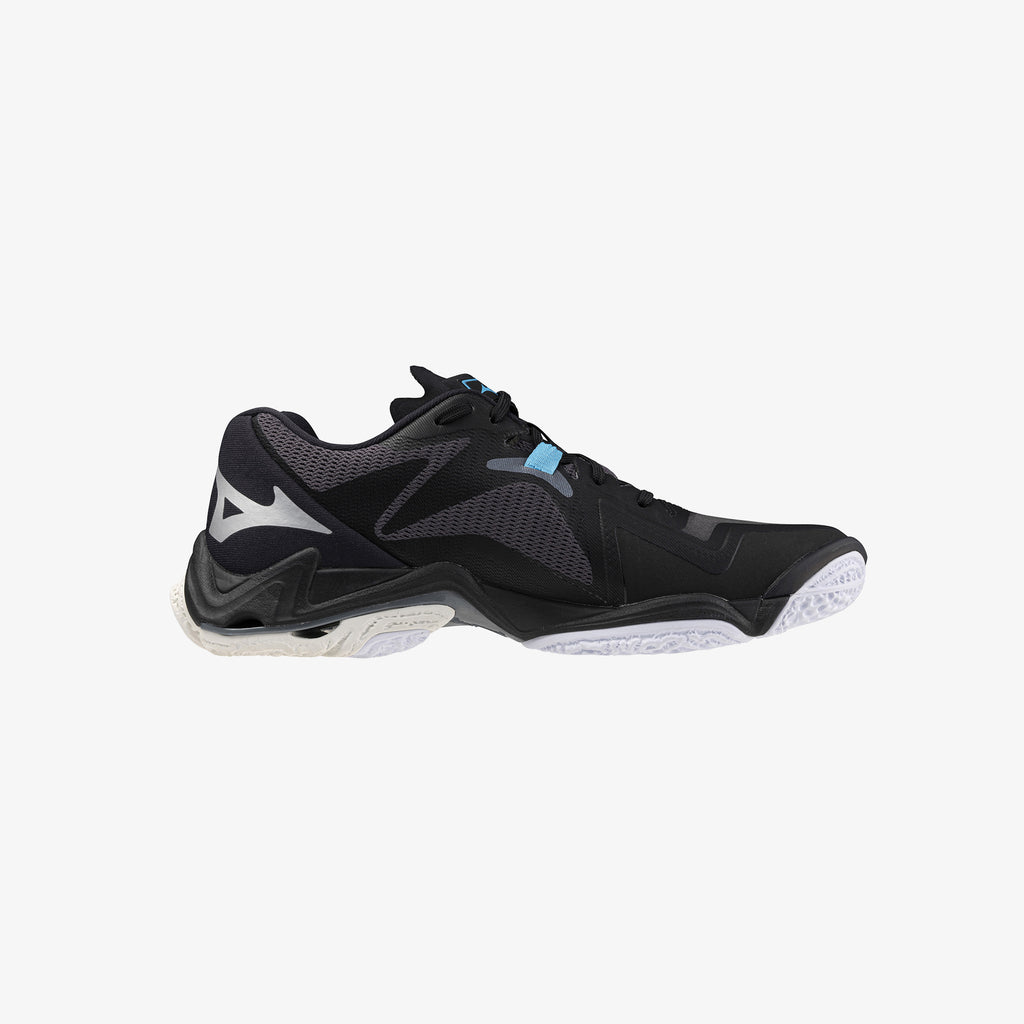
QUICK ANSWERVolleyball shoes should hold the heel and midfoot securely while leaving enough space for the toes to spread and move slightly forward on a landing. The foot should not slide over the edge of the platform during a hard lateral plant, and the upper should not create numbness or sharp pressure. Judge the fit in volleyball socks and with the lacing you will actually use on court.
WHAT THIS GUIDE SOLVESHelp a player judge volleyball-shoe length, width, heel hold, and lockdown during a realistic try-on.
As an Amazon Associate, we may earn from qualifying purchases.
Check length under a landing load
Standing still only shows part of the fit. Lace both shoes, bend into an athletic stance, then make several controlled forward stops so the foot moves as it would after an approach. The toes can approach the front, but repeated contact with the end of the shoe means the usable length is too short.
Extra length is not a harmless substitute for width. A shoe that is long enough to create heel slip can delay the foot inside the upper during a cut, even if the forefoot feels less crowded. Start with measured length, then find a last whose width and volume match the foot.
Separate secure lockdown from painful pressure
A useful volleyball fit feels connected at the heel and through the midfoot. The heel may move a few millimeters as the shoe flexes, but it should not lift repeatedly or rub during shuffles. Laces should distribute pressure across the instep rather than needing to be pulled so tight that the top of the foot tingles.
The forefoot needs enough room for natural toe spread during braking and landing. Bulging over the midsole edge, pinched little toes, or an upper that already feels stretched sideways are signs to try a different width or shape rather than waiting for structural materials to transform.
COMPARE CURRENT OPTIONSSee volleyball shoes available now
Compare current models, sizes and colorways, then confirm the exact version and seller details on Amazon before purchasing.
Browse current options on Amazon ↗ Run a volleyball-specific try-on
Try shoes late enough in the day that the feet are not at their smallest, and wear the same sock thickness used for practice. Test a low defensive stance, lateral shuffles, a crossover step, and several controlled two-foot landings on a safe clean surface. These movements reveal heel lift, toe contact, and platform overhang that walking can miss.
Compare both feet because many players have one that is longer or fuller. Keep the size that fits the larger foot without forcing the smaller foot to swim; careful lacing can fine-tune modest volume differences, but it cannot rescue a fundamentally mismatched shape.
Know what may change after break-in
Mesh and padding can soften modestly, especially around the collar and flex points. The outsole platform, toe length, and major overlays will not become wider in a meaningful way. A performance shoe should feel playable from the first short session, not painful with the hope that it eventually fits.
Increase court time gradually and recheck hot spots after the shoe cools and the foot recovers. Persistent numbness, sharp pain, or skin damage is a reason to stop using the pair and reassess the fit; a qualified clinician can help when symptoms continue outside the shoe.
Frequently asked questions
How much room should be in front of my toes?
Leave enough usable space that the longest toe does not strike the front during controlled stops and landings. The exact visual gap varies with toe shape and upper construction, so movement is a better test than a single thumb-width rule.
How snug should a first volleyball-shoe fitting feel?
It should feel secure, not painfully tight. Padding can settle, but numb toes, sharp side pressure, or a foot spilling over the platform indicate the wrong size or shape.
Is heel slip normal in volleyball shoes?
Tiny movement as the shoe flexes can be normal, but repeated lifting, rubbing, or delayed foot movement is not. First try careful heel-lock lacing; if that requires excessive lace pressure, choose a better-fitting model.
Should I size up for thick volleyball socks?
Fit the shoe while wearing the actual sock thickness rather than automatically changing size. If the sock removes needed toe or midfoot room, compare another size or a roomier model and repeat the movement test.
Do unisex volleyball shoes fit differently?
Often they use a shared size scale and last that may feel different from a gender-specific model. Convert the labeled size carefully, then judge heel shape, forefoot width, and volume on your own foot.
Final verdict
Volleyball shoes should hold the heel and midfoot securely while leaving enough space for the toes to spread and move slightly forward on a landing. The foot should not slide over the edge of the platform during a hard lateral plant, and the upper should not create numbness or sharp pressure. Judge the fit in volleyball socks and with the lacing you will actually use on court. Use the linked collection and model profiles to narrow the shortlist, then let secure fit and predictable court movement decide the final pair.