QUICK ANSWERMid-tops usually balance moderate collar coverage with easier ankle movement, while high-tops create a more enveloping fit. The better choice is the one that holds the heel without pressure or restriction; neither cut substitutes for a stable base and correct sizing.
WHAT THIS GUIDE SOLVESHelp players who want collar coverage choose between mid- and high-top volleyball shoes.
As an Amazon Associate, we may earn from qualifying purchases.
The practical difference in coverage
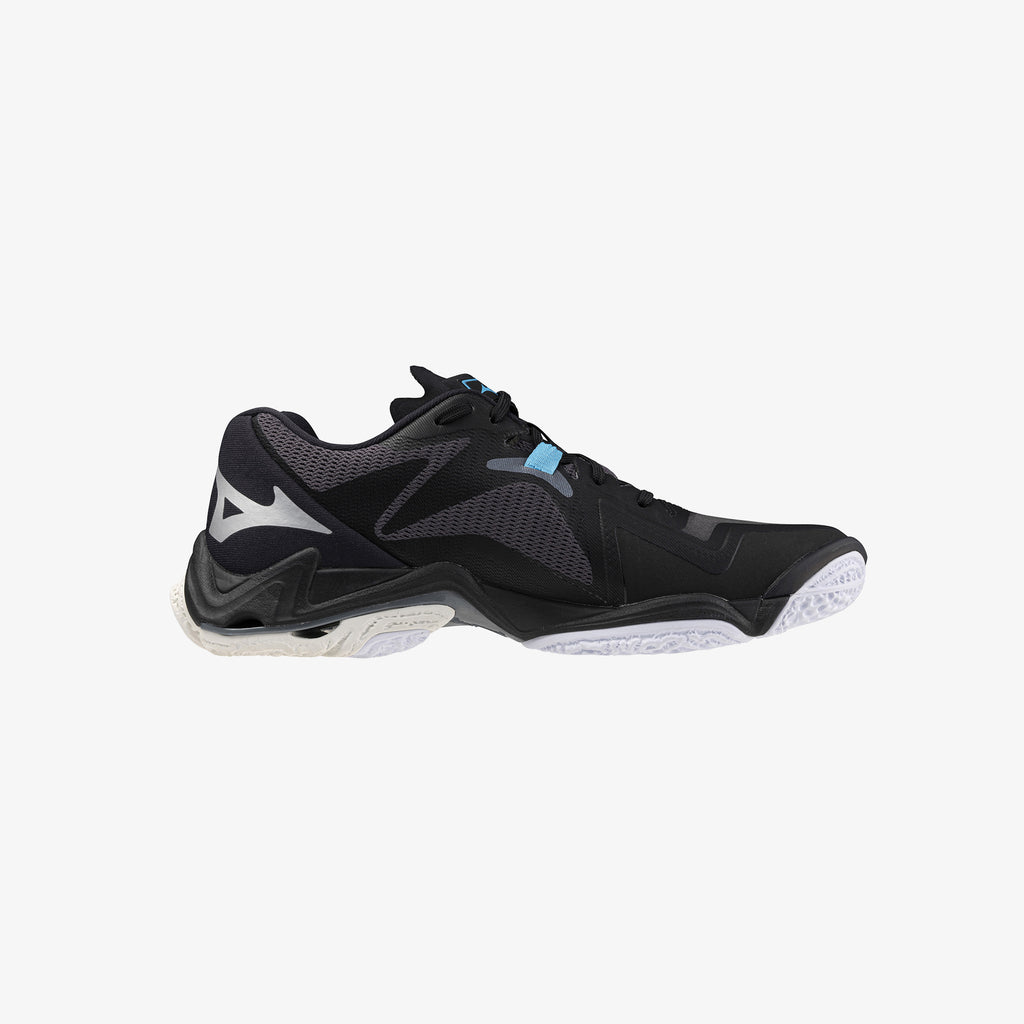
Mid-tops rise above a typical low-cut collar but stop below the taller wrap of a high-top. They are common in jump-focused lines because they can add upper containment without making the shoe feel fully enclosed.
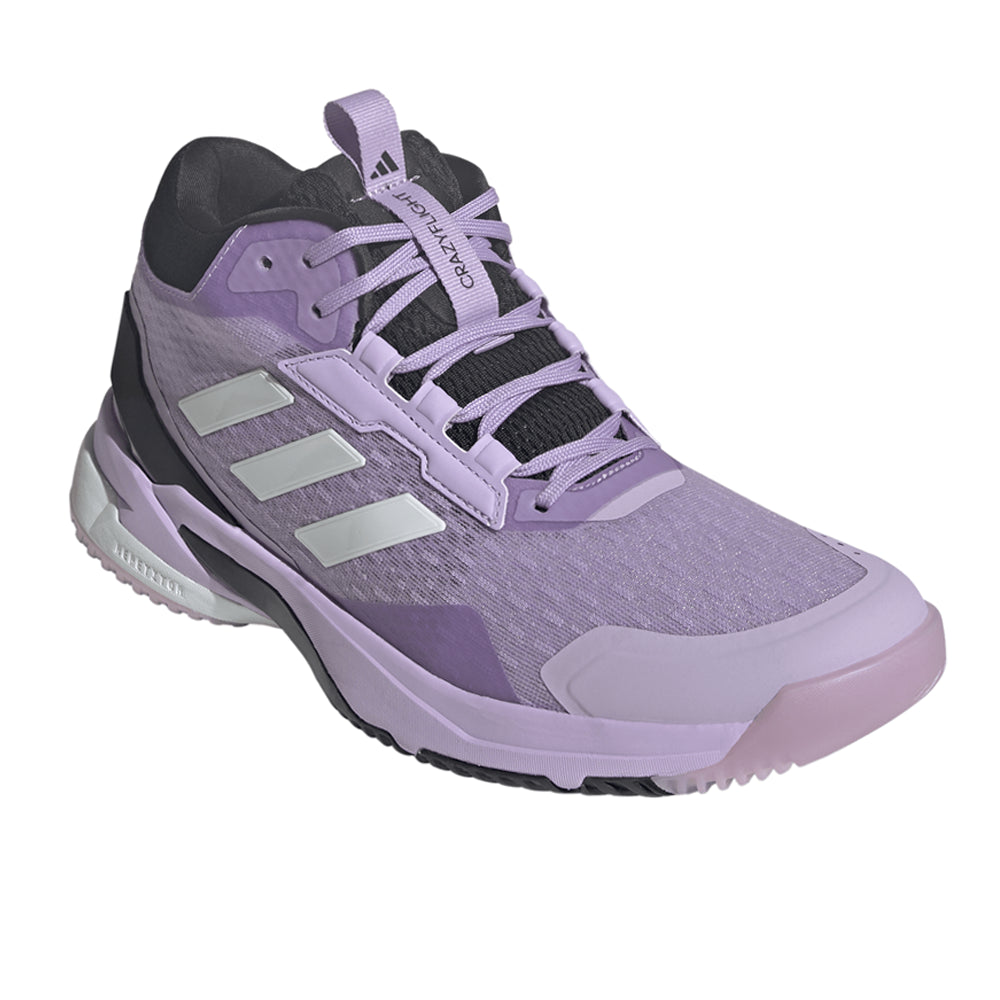
High-tops extend farther up the ankle and may use knit, elastic, or padded construction. The feel depends on material and lacing design, not height alone.
Mobility, weight, and lockdown
A mid-top is often easier for players transitioning from low-cuts because it preserves more familiar ankle freedom. High-tops can feel reassuring to players who like a close wrap, but extra material may add warmth, pressure, or perceived bulk.
Lockdown should come from the whole shoe. The heel counter, throat, lacing, and midfoot shape must work together; a tall collar cannot rescue a heel that slides inside the shoe.
COMPARE CURRENT OPTIONSSee mid top volleyball shoes available now
Compare current models, sizes and colorways, then confirm the exact version and seller details on Amazon before purchasing.
Browse current options on Amazon ↗ Fitting with socks and braces
Try each cut with match-day socks and any brace or sleeve. Check that the brace sits flat, the laces can close without distorting the upper, and the heel remains seated during a controlled landing.
Do not automatically size up to create brace room. Extra length can reduce court control; a roomier upper shape or different model is usually the cleaner solution.
Frequently asked questions
Is a mid-top cooler than a high-top?
It often uses less upper material, but ventilation depends on mesh, knit density, padding, and sock choice as much as collar height.
Which cut is better for middle blockers?
Many blockers like mid- or high-cut containment, but the best option also needs controlled cushioning, dependable grip, and a stable landing platform.
Do high-tops feel more supportive?
They can feel more wrapped around the ankle, which some players prefer. That sensation is not proof of greater injury protection.
Are mid-tops good for ankle braces?
They can be, provided the opening, internal volume, and collar shape accommodate the brace without heel lift or pressure.
Should setters avoid high-tops?
Not necessarily. A setter can use a high-top that feels quick and unrestricted, though many prefer lower-bulk shoes for constant transitions.
Final verdict
Mid-tops usually balance moderate collar coverage with easier ankle movement, while high-tops create a more enveloping fit. The better choice is the one that holds the heel without pressure or restriction; neither cut substitutes for a stable base and correct sizing. Use the linked collection and model profiles to narrow the shortlist, then let secure fit and predictable court movement decide the final pair.