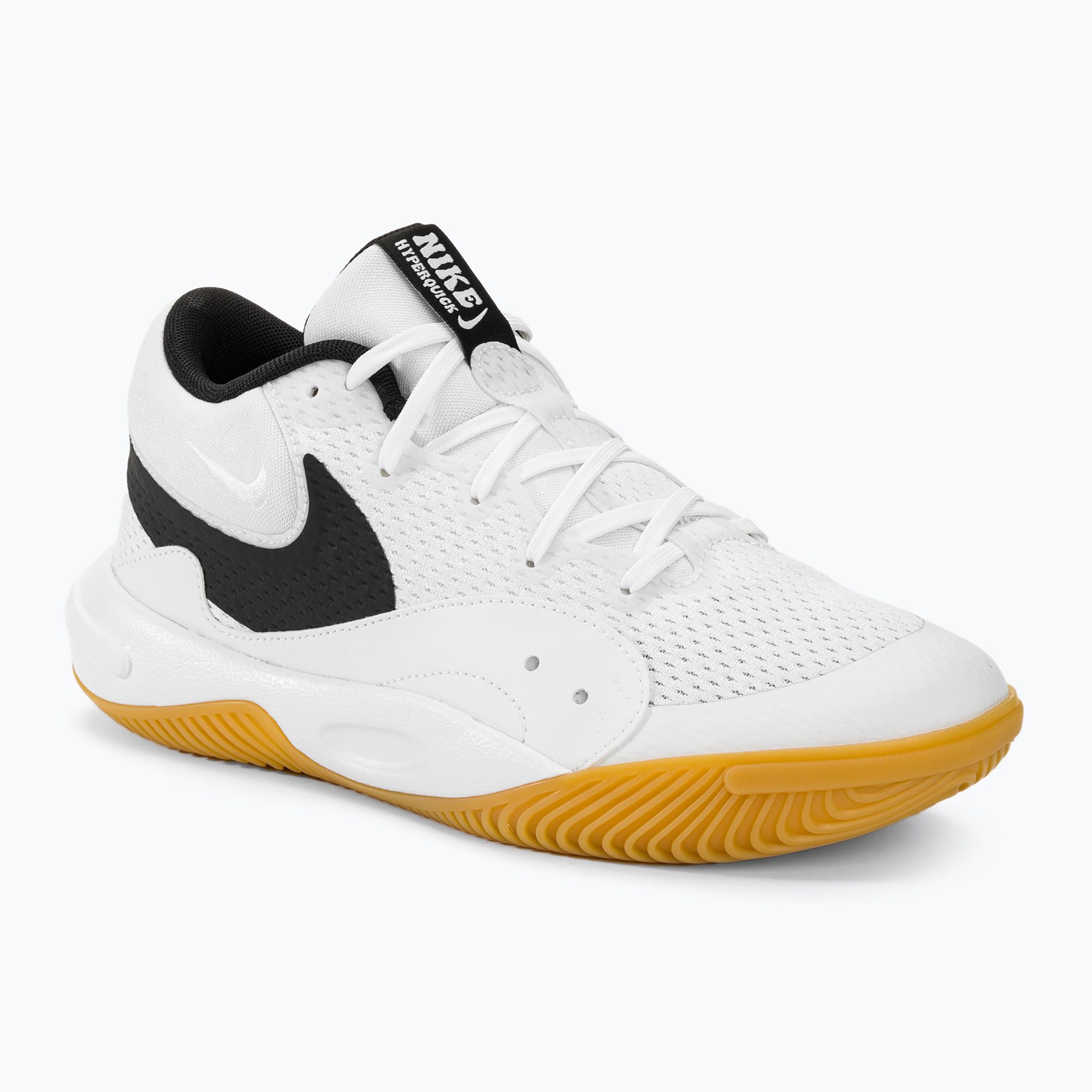
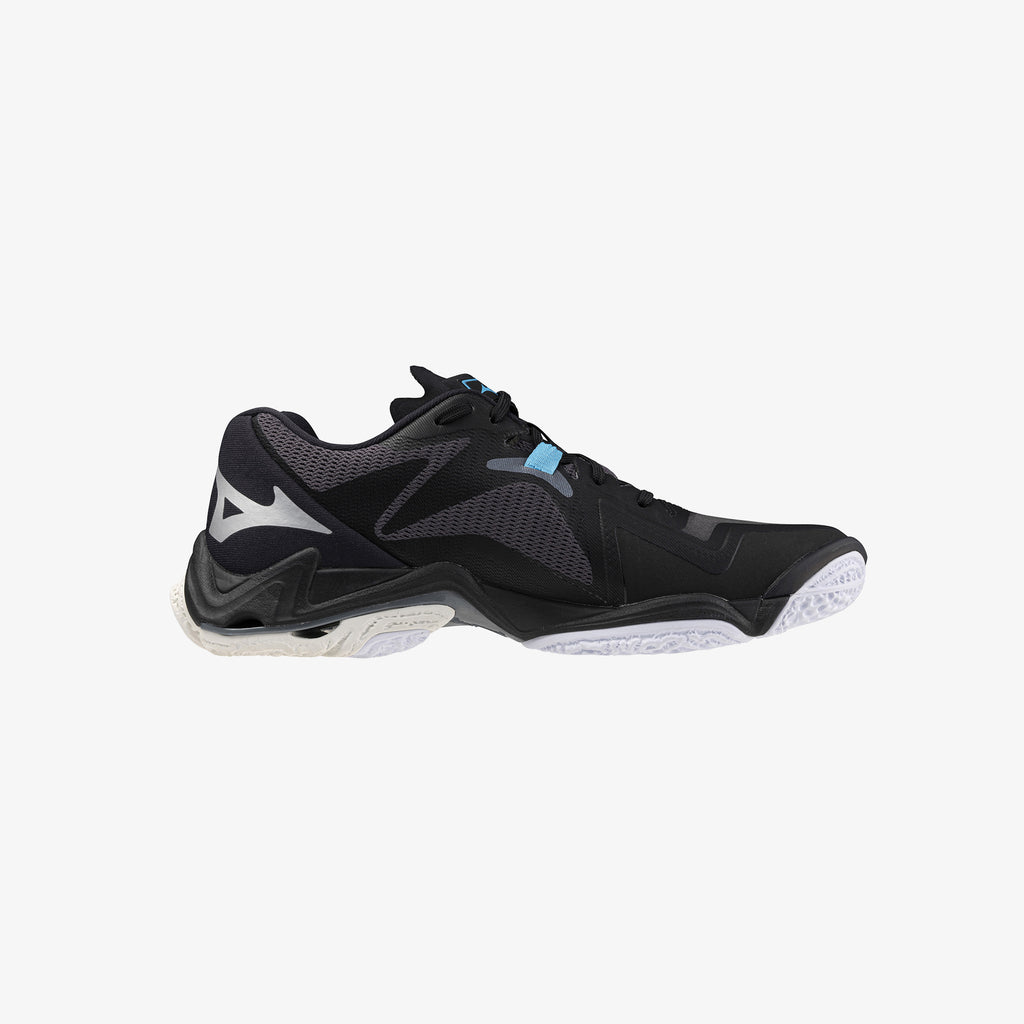
QUICK ANSWERTwo pairs can make sense for players with frequent practices or tournaments because one pair can dry while the other is used, and a tested backup protects against unexpected traction or fit problems. Recreational players with a lighter schedule may be well served by one dependable pair.
WHAT THIS GUIDE SOLVESHelp competitive players decide whether a rotation and backup pair justify the added expense.
As an Amazon Associate, we may earn from qualifying purchases.
Decide by schedule, not status
A player training once a week may have enough drying and recovery time with one shoe. A club athlete playing multiple sessions or long tournament weekends creates more moisture, repeated compression and travel risk. For that workload, a second pair can be practical equipment rather than an attempt to collect models.
The backup must fit and perform well enough to play in immediately. An old pair with smooth rubber or collapsed cushioning does not provide meaningful protection simply because it is available in the bag.
Choose between identical and complementary pairs
Two copies of the same trusted model minimize adjustment and make rotation simple. Complementary shoes can also work—for example, a lighter practice model and a more protective jump-focused match model—but the player should test both and understand the difference in ride and traction.
Avoid switching to an unfamiliar pair for the first time during a decisive match. Break in and evaluate both under controlled practice conditions, and use the same socks, braces and insoles planned for competition.
COMPARE CURRENT OPTIONSSee volleyball shoes available now
Compare current models, sizes and colorways, then confirm the exact version and seller details on Amazon before purchasing.
Browse current options on Amazon ↗ Rotate without hiding wear
Alternating pairs may give uppers and insoles more drying time, but it does not double lifespan automatically. Track each pair separately and inspect its outsole, cushioning and upper containment. A less-used shoe can still age or harden in poor storage conditions.
Transport both pairs in ventilated compartments and keep them away from outdoor surfaces. Before travel, verify that the backup is clean, dry and complete with its normal laces and insoles. That simple check is more valuable than carrying a second pair that is not ready to play.
Frequently asked questions
Do high school volleyball players need two pairs?
Not automatically. Consider weekly frequency, tournament travel, drying time and whether a reliable older pair is available as a backup.
Should both pairs be the same model?
They can be, which reduces adjustment. Complementary models also work when both fit correctly and the player has practiced in each.
Does rotating shoes make them last twice as long?
Not necessarily. Rotation provides drying time and spreads use, but each pair still ages and wears according to its own sessions and storage.
Can my old shoes serve as a backup?
Only if their grip, cushioning, fit and structure remain dependable. A worn pair is not a safe performance backup.
What should be in a tournament shoe bag?
Pack the tested shoes, normal socks, approved braces or insoles, spare laces and a dry cloth, while keeping footwear ventilated and separate from wet gear.
Final verdict
Two pairs can make sense for players with frequent practices or tournaments because one pair can dry while the other is used, and a tested backup protects against unexpected traction or fit problems. Recreational players with a lighter schedule may be well served by one dependable pair. Use the linked collection and model profiles to narrow the shortlist, then let secure fit and predictable court movement decide the final pair.