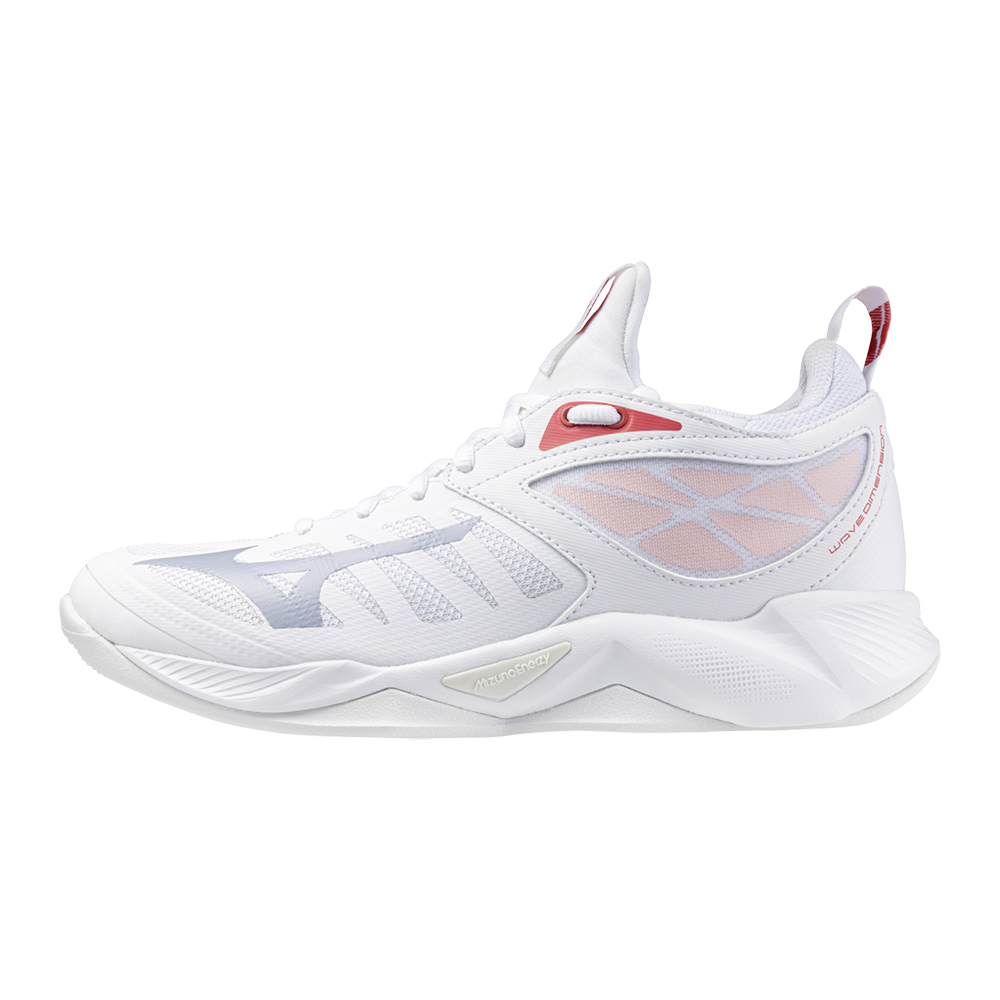
QUICK ANSWERDo not size up in volleyball shoes automatically. Start with your measured foot length and the brand’s current size chart, then choose the smallest size that gives comfortable toe clearance without heel lift or sliding during stops. If a model is too narrow, look for a wider shape or width option before adding unnecessary length.
WHAT THIS GUIDE SOLVESAnswer whether volleyball shoes should be sized up and give a repeatable fit-check process for length, width, braces, and online ordering.
As an Amazon Associate, we may earn from qualifying purchases.
A secure fit should not crush the toes
The heel should stay seated and the laces should hold the midfoot without numbness or sharp pressure. Toes need enough space to relax and avoid hitting the front during a hard stop or landing. Excess space is also a problem because the foot can build momentum inside the shoe before contacting the upper.
Length and width are separate decisions
A player with a broad forefoot may feel side pressure in the correct length and assume a larger size is necessary. That longer shoe can reduce control while leaving the width problem only partly solved. Compare models with a roomier toe box or an offered wide width, and make sure the foot remains supported over the platform.
COMPARE CURRENT OPTIONSSee volleyball shoes available now
Compare current models, sizes and colorways, then confirm the exact version and seller details on Amazon before purchasing.
Browse current options on Amazon ↗ Account for socks, braces, and time of day
Try shoes with the socks and ankle brace or orthotic used in play because each changes internal volume. Measure both feet later in the day, when they may be slightly fuller, and fit the larger foot. Do not remove a prescribed insert or alter brace use merely to make an unsuitable shoe fit.
Use movement to confirm the size
Standing comfort is only the first check. On a clean indoor surface, perform controlled shuffles, stops, and small landings while watching for heel lift, forefoot sliding, toe impact, or pressure over the outside edge. Return the shoe under the seller’s policy if lacing adjustments cannot create secure, comfortable control.
Frequently asked questions
How much room should volleyball shoes have?
There should be enough front space for the toes not to strike the shoe during stops, but not enough for the foot to slide. Exact clearance varies with foot shape and model construction.
Do volleyball shoes run small?
Sizing varies by brand, generation, and last, so there is no reliable category-wide rule. Use current model guidance and your measured feet rather than assuming all volleyball shoes run small.
Should volleyball shoes be the same size as running shoes?
Not necessarily. Running and court shoes can use different shapes and fits even within the same labeled size, so each model must be evaluated separately.
Should I size up for an ankle brace?
Not automatically. First seek a shoe with adequate opening and volume in the correct length; extra length can make the foot slide even if it accommodates the brace.
Can volleyball shoes stretch after break-in?
Uppers may soften slightly, but the shoe will not meaningfully become longer and a restrictive structure may not widen enough. Do not rely on break-in to fix painful fit.
Final verdict
Do not size up in volleyball shoes automatically. Start with your measured foot length and the brand’s current size chart, then choose the smallest size that gives comfortable toe clearance without heel lift or sliding during stops. If a model is too narrow, look for a wider shape or width option before adding unnecessary length. Use the linked collection and model profiles to narrow the shortlist, then let secure fit and predictable court movement decide the final pair.