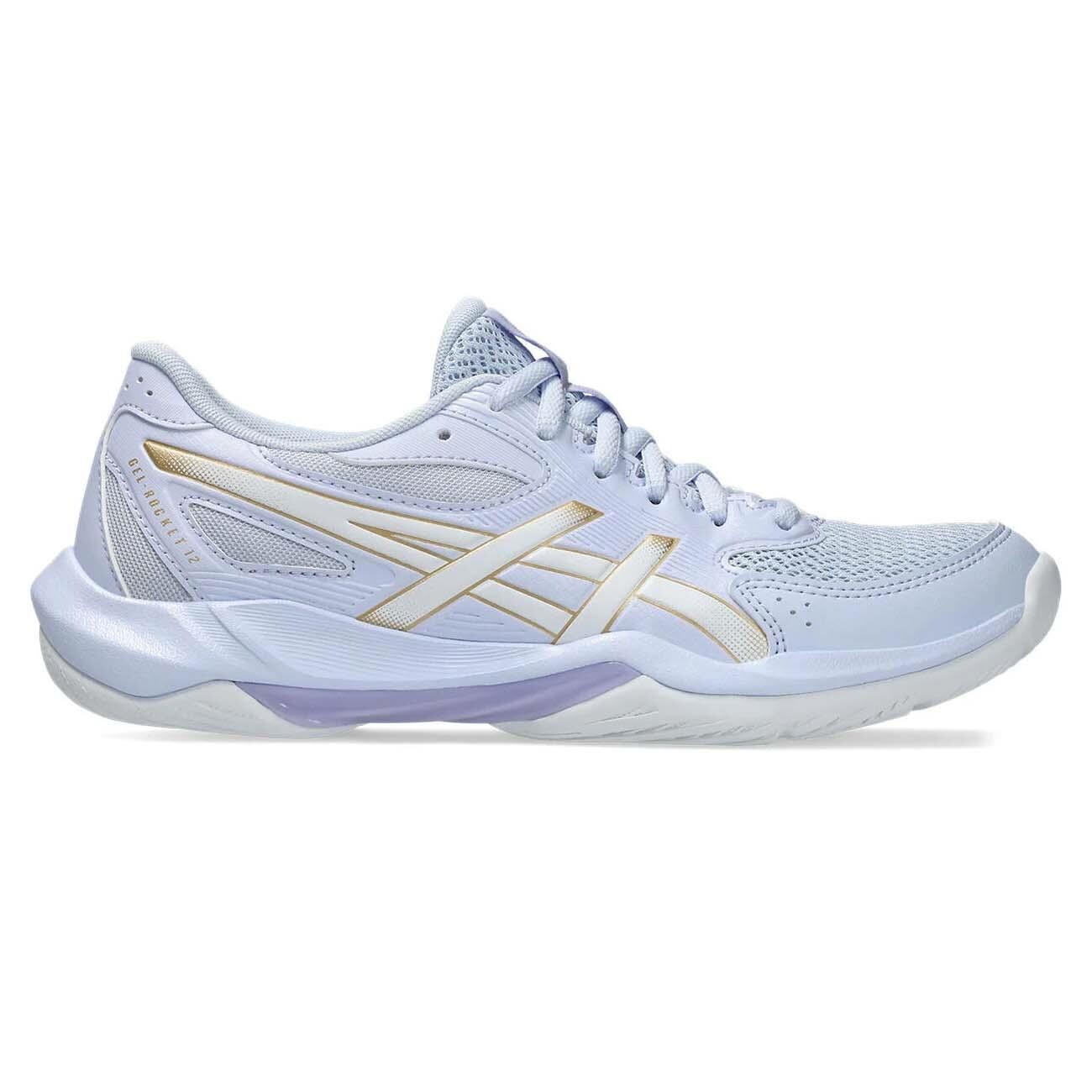
QUICK ANSWERAn insole can adjust underfoot feel, heel seating, and interior volume, but it cannot correct the wrong shoe length, width, or platform shape. The replacement must lie flat, keep the heel securely inside the counter, and leave enough room above the toes and instep. Orthotic or pain-related decisions should be made with qualified individual guidance.
WHAT THIS GUIDE SOLVESExplain how insoles change court-shoe fit, volume, cushioning, and feel without making treatment claims.
As an Amazon Associate, we may earn from qualifying purchases.
Define the problem before changing the insert
A player may want a different insole because the stock liner feels flat, the shoe has excess volume, or an existing orthotic must be accommodated. These are different goals. Adding a thick insert to fill a loose heel can crowd the forefoot, while a thin insert used for volume may lower the heel too far against the collar.
First confirm that the shoe itself is the correct length and width and that its platform behaves well on court. An insole cannot widen the midsole, move a misplaced flex point, or stabilize foam that leans during a cut.
Check geometry after the swap
Remove the stock liner only if it is designed to be removable, then compare the replacement's length, heel shape, and thickness. It should not buckle or curl at the edges. A deeper heel cup can raise pressure around the ankle if the shoe counter lacks enough depth.
Relace the shoe from the bottom and test toe clearance, instep pressure, and heel hold. The foot should not sit so high that the heel escapes during flexion, nor so low that the collar rubs a new location.
COMPARE CURRENT OPTIONSSee volleyball shoe insoles available now
Compare current models, sizes and colorways, then confirm the exact version and seller details on Amazon before purchasing.
Browse current options on Amazon ↗ Introduce the setup gradually
Use the revised setup for short, controlled sessions before a tournament. Start with basic footwork and low-intensity landings, then increase duration while monitoring pressure and skin irritation. A dramatic change in underfoot contour can also change how the shoe feels during lateral movement.
Persistent pain, numbness, or an orthotic prescribed for a specific condition deserves professional review. Bring both shoes and the complete insert setup, because evaluating the insert outside its playing shoe misses important fit interactions.
Frequently asked questions
Can I put any insole in volleyball shoes?
No. It must fit the shoe's length and shape, lie flat, and preserve safe toe, instep, and heel room. Very thick or rigid inserts can substantially change fit.
Should I place a new insole over the original?
Usually replacement insoles take the place of a removable stock liner; stacking can crowd the shoe and raise the heel. Follow the product and professional fitting instructions for the specific setup.
Can an insole make a narrow shoe fit wide feet?
It cannot widen the platform. A thinner insert may add slight vertical room, but side-to-side shape still needs to match the foot.
Do cushioned insoles improve jumping?
They do not create jumping ability. They may alter comfort and underfoot feel, but the complete shoe must remain stable during takeoffs and landings.
When should I replace volleyball insoles?
Replace them when they are damaged, permanently compressed, curling, or no longer sitting securely, while also checking whether the shoe itself is worn out.
Final verdict
An insole can adjust underfoot feel, heel seating, and interior volume, but it cannot correct the wrong shoe length, width, or platform shape. The replacement must lie flat, keep the heel securely inside the counter, and leave enough room above the toes and instep. Orthotic or pain-related decisions should be made with qualified individual guidance. Use the linked collection and model profiles to narrow the shortlist, then let secure fit and predictable court movement decide the final pair.