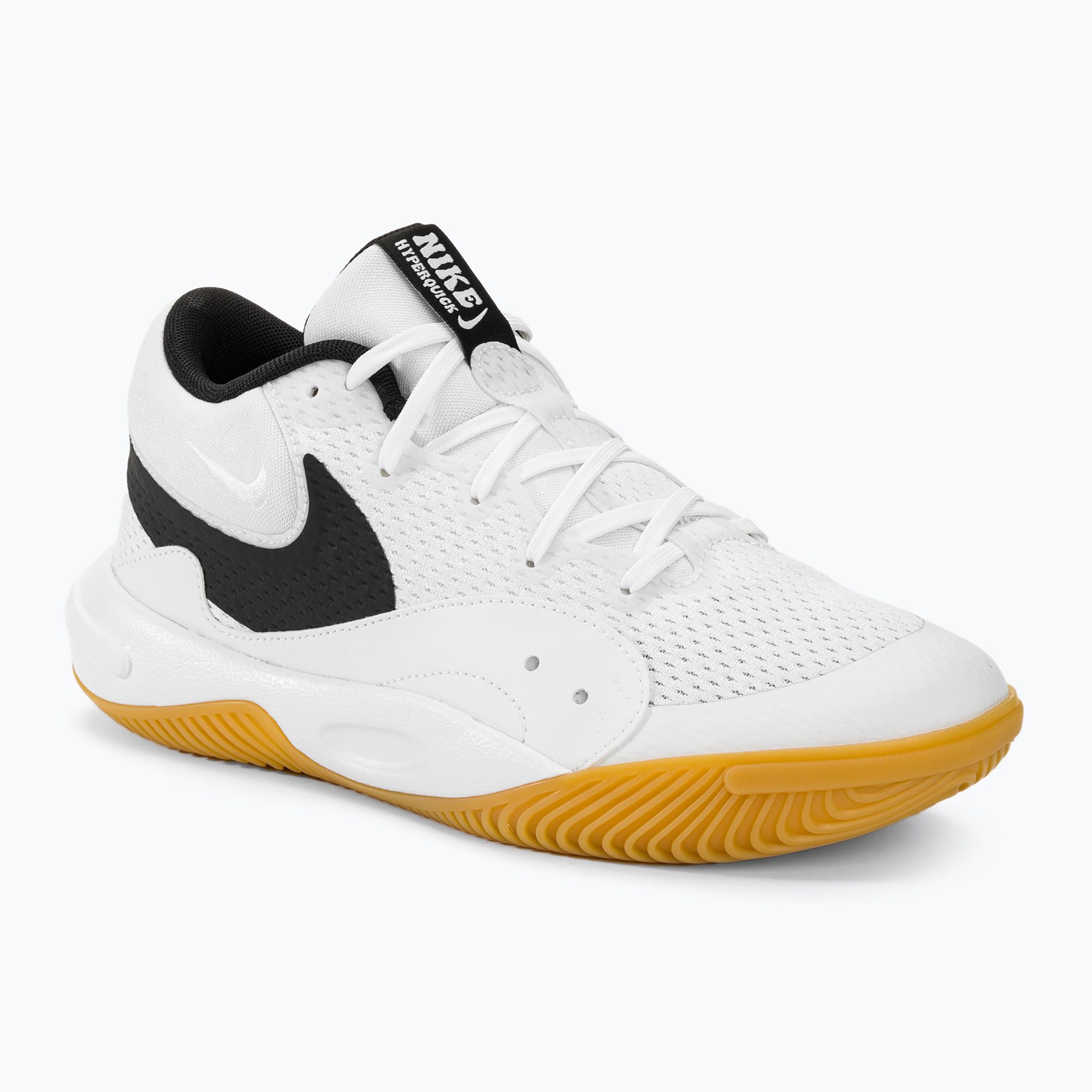
QUICK ANSWERVolleyball shoes are tuned for clean indoor floors, repeated jumps, and fast short-direction changes. Tennis shoes prioritize abrasion resistance and lateral durability on hard, clay, or grass courts; they can work as an indoor substitute, but they may feel heavier and grip differently.
WHAT THIS GUIDE SOLVESCompare indoor volleyball shoes with tennis shoes by surface, movement, durability, and fit.
As an Amazon Associate, we may earn from qualifying purchases.
Outsoles are built for different surfaces
Indoor volleyball rubber favors traction on smooth wood or synthetic gym floors. Tennis outsoles must survive abrasive outdoor courts and often use harder, more durable rubber with patterns selected for a particular tennis surface.
Using a soft indoor outsole on hard court can wear it quickly. Bringing a dirty tennis outsole into a gym can also reduce grip and transfer debris, so any crossover pair should be cleaned and tested.
Movement and cushioning priorities
Both sports require lateral control, which makes tennis shoes a more credible substitute than running shoes. Volleyball adds frequent vertical takeoffs and landings, so jump-focused models may provide a different cushioning balance than a low, durable tennis shoe.
Tennis shoes often reinforce high-wear drag areas and may feel more substantial. That durability can suit outdoor volleyball, while indoor defenders may prefer the lighter feel of a volleyball-specific option.
COMPARE CURRENT OPTIONSSee tennis shoes for volleyball available now
Compare current models, sizes and colorways, then confirm the exact version and seller details on Amazon before purchasing.
Browse current options on Amazon ↗ When crossover makes sense
A clean, stable tennis shoe can work for recreational indoor volleyball if it grips the floor predictably and fits securely. For frequent indoor play, a dedicated volleyball shoe preserves the tennis pair and makes indoor traction easier to evaluate.
For volleyball on an abrasive outdoor hard court, a tennis shoe may be the more durable choice. Match the outsole to the surface rather than assuming one shoe should cover every venue.
Frequently asked questions
Can tennis shoes be worn for indoor volleyball?
Yes, if they are clean, non-marking, stable, and sufficiently grippy on the gym floor. They may feel heavier or firmer than dedicated volleyball shoes.
Can volleyball shoes be used for tennis?
They are not ideal for regular outdoor tennis because soft indoor rubber can wear quickly and may not support the intended surface-specific slide and durability needs.
Which is better for outdoor volleyball?
On abrasive hard courts, a durable tennis or outdoor court shoe is often more practical. Grass and sand require different solutions.
Do tennis shoes provide lateral support?
Yes, lateral durability and containment are central tennis requirements. The specific platform and fit still need to suit volleyball stops and landings.
Are tennis shoes heavier than volleyball shoes?
Many are more reinforced for abrasion, but weight varies by model. Compare the actual pairs rather than relying on category averages.
Final verdict
Volleyball shoes are tuned for clean indoor floors, repeated jumps, and fast short-direction changes. Tennis shoes prioritize abrasion resistance and lateral durability on hard, clay, or grass courts; they can work as an indoor substitute, but they may feel heavier and grip differently. Use the linked collection and model profiles to narrow the shortlist, then let secure fit and predictable court movement decide the final pair.