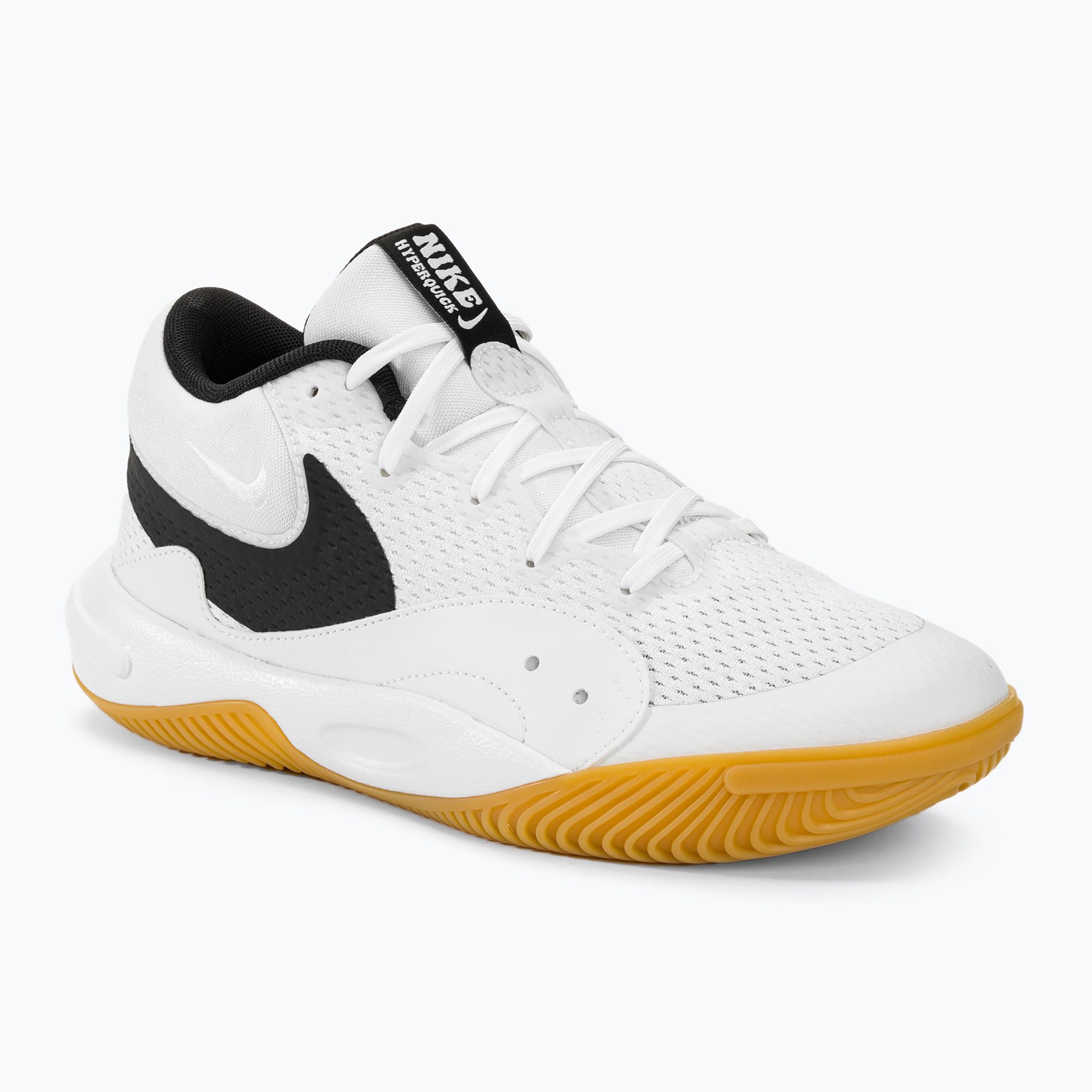
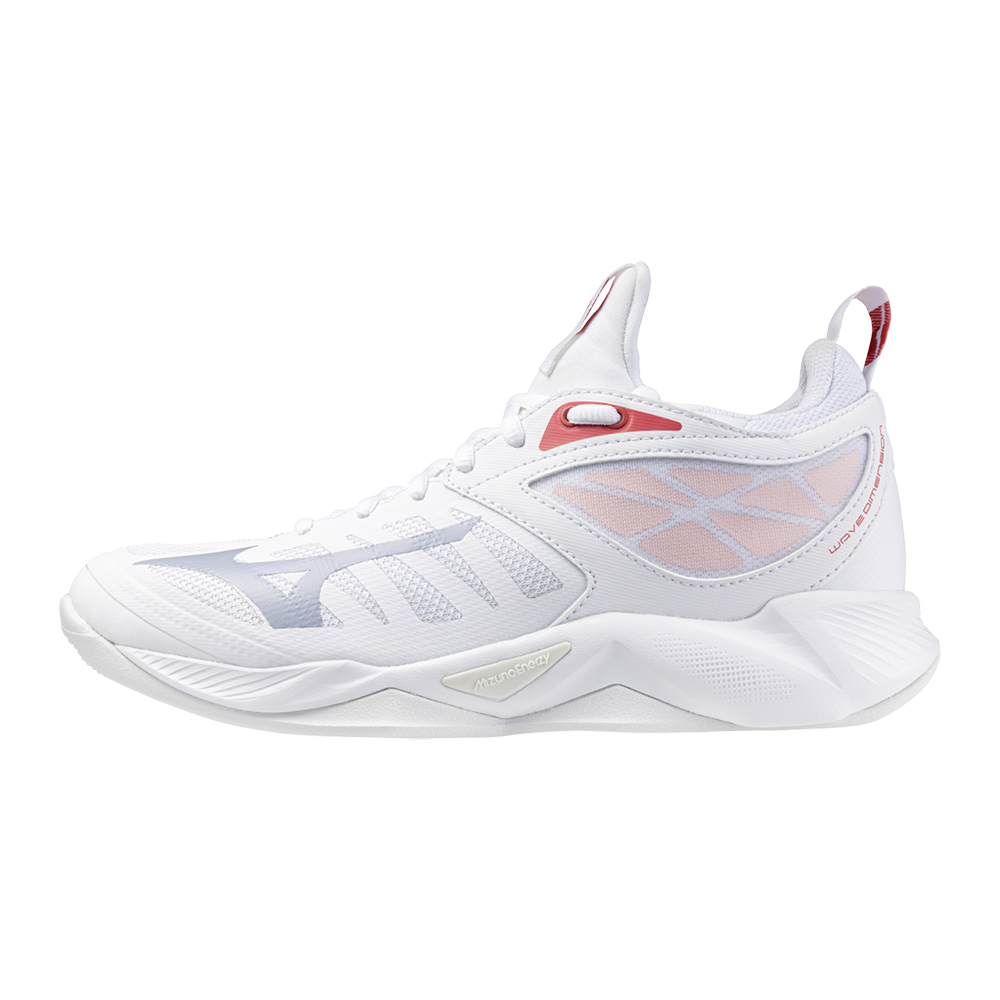
QUICK ANSWERVolleyball court shoes are athletic shoes designed for the grip, side-to-side movement, jumping, and landing demands of indoor volleyball. They typically use a clean non-marking outsole, lateral containment, a secure heel and midfoot, and cushioning that remains stable under repeated impact. The term can also describe suitable indoor multi-court shoes, but it does not include every sneaker marketed for general fitness.
WHAT THIS GUIDE SOLVESDefine volleyball court shoes and explain their essential construction, categories, and appropriate surfaces.
As an Amazon Associate, we may earn from qualifying purchases.
The outsole is tuned for an indoor floor
Volleyball requires traction during very short movements, including split steps, shuffles, approach corrections, and quick stops. Court-shoe patterns are designed to grip in multiple directions on smooth wood or sport tile. The outsole needs to stay clean; outdoor grit and abrasion can quickly reduce its effectiveness.
Containment keeps the foot over the platform
The upper, lacing, heel counter, and sidewalls work together to limit unwanted foot movement. A good platform supports lateral pressure rather than folding or allowing the foot to spill beyond the sole. This does not mean the shoe should be rigid—forefoot flexibility still helps with approach and transition mechanics.
COMPARE CURRENT OPTIONSSee volleyball court shoes available now
Compare current models, sizes and colorways, then confirm the exact version and seller details on Amazon before purchasing.
Browse current options on Amazon ↗ Cushioning categories serve different players
Speed-oriented court shoes reduce bulk and emphasize immediate floor feel. Balanced models add moderate impact control for all-court use, while protective models use more structure and cushioning for high jump volumes. A player should choose among these categories according to role, body, schedule, and comfort rather than assuming maximum cushioning is always best.
Court shoes belong on the intended surface
Indoor volleyball rubber is not optimized for asphalt, concrete, or rough tennis courts. Outdoor use can abrade the tread and carry debris back to the gym. Beach volleyball normally uses bare feet or sand socks, and grass play calls for different surface-specific traction.
Frequently asked questions
Are volleyball court shoes the same as indoor court shoes?
Volleyball shoes are a type of indoor court shoe. Some multi-court shoes also work for volleyball, but the fit, traction, stability, and cushioning still need to match volleyball movement.
Can court shoes be used for badminton or pickleball?
Some indoor models can cross over, but each sport and facility has different movement and outsole requirements. Check the manufacturer’s intended use and how the shoe behaves on the actual surface.
What does non-marking mean on court shoes?
It means the outsole is designed not to leave visible scuff marks under normal indoor use. Facility rules still apply, and the sole should be clean.
Are all volleyball court shoes low top?
No. Volleyball shoes are available in low, mid, and high cuts, with low tops being common for their mobility and lighter feel.
Can volleyball court shoes be worn casually?
They can, but outdoor wear shortens outsole life and reduces indoor cleanliness. A separate everyday shoe preserves court traction.
Final verdict
Volleyball court shoes are athletic shoes designed for the grip, side-to-side movement, jumping, and landing demands of indoor volleyball. They typically use a clean non-marking outsole, lateral containment, a secure heel and midfoot, and cushioning that remains stable under repeated impact. The term can also describe suitable indoor multi-court shoes, but it does not include every sneaker marketed for general fitness. Use the linked collection and model profiles to narrow the shortlist, then let secure fit and predictable court movement decide the final pair.