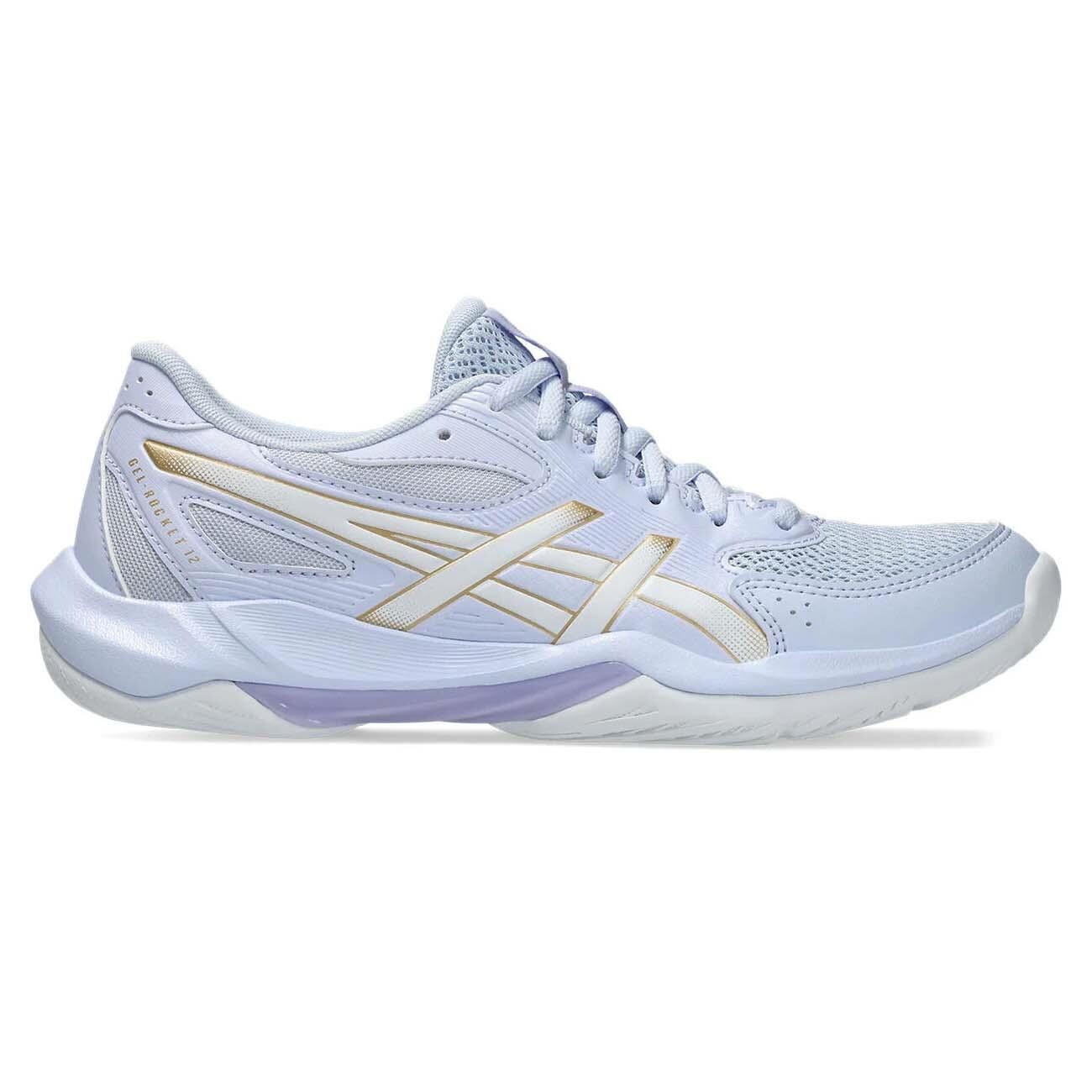
QUICK ANSWERVolleyball shoes combine clean-court traction, lateral containment, a stable base, and cushioning suited to repeated short jumps. Unlike running shoes, they are designed for movement in several directions; unlike many outdoor shoes, their outsoles favor indoor grip rather than abrasion resistance.
WHAT THIS GUIDE SOLVESExplain the functional design differences between volleyball shoes and ordinary athletic footwear without relying on brand marketing.
As an Amazon Associate, we may earn from qualifying purchases.
Traction for a clean indoor court
Volleyball outsoles use patterns and rubber compounds intended to bite during abrupt starts and stops on wood or synthetic gym floors. The useful goal is predictable traction: enough grip to brake and change direction without a shoe that catches unexpectedly.
Dust, moisture, and outsole wear can change that behavior. Even a premium shoe needs a clean sole and a reasonably clean court, which is why traction should be judged during play rather than from tread appearance alone.
A platform built for side-to-side movement
Running shoes primarily manage repeated forward strides and can use tall, soft heel geometry. Volleyball shoes generally use a more court-oriented base, upper reinforcement, and heel hold so the foot remains centered during shuffles, crossover steps, and emergency cuts.
Stability is not the same as stiffness. A good court shoe can flex through the forefoot while still resisting unwanted rolling or excessive compression at the edge of the platform.
COMPARE CURRENT OPTIONSSee volleyball shoes available now
Compare current models, sizes and colorways, then confirm the exact version and seller details on Amazon before purchasing.
Browse current options on Amazon ↗ Cushioning without losing control
Hitters and blockers often prefer more impact protection, while setters and defenders may prefer a lower, faster feel. Volleyball cushioning must therefore balance landing comfort with enough firmness and structure for the next movement.
Fit completes the system. Cushioning and support features cannot compensate for a heel that lifts, toes that strike the front, or a forefoot that hangs over the midsole during lateral loading.
Frequently asked questions
Do volleyball shoes have special soles?
Most use non-marking court outsoles and traction patterns intended for indoor starts, stops, and lateral movement. Compound and pattern vary by model.
Why are volleyball shoes often lightweight?
Lower bulk can make repeated transitions and defensive movement feel quicker, although jump-focused models may accept more weight for cushioning and structure.
Are volleyball shoes only for volleyball?
They can suit some other clean indoor court sports, but they are not optimized for road running, abrasive tennis courts, or wet outdoor surfaces.
Is gum rubber required for volleyball?
No. Gum-colored rubber is common, but color does not determine quality; a non-marking outsole can use several rubber formulations and colors.
Do volleyball shoes protect ankles?
Shoes can provide fit, containment, and platform stability, but no collar or model prevents ankle injuries. Players with individual concerns should seek qualified guidance.
Final verdict
Volleyball shoes combine clean-court traction, lateral containment, a stable base, and cushioning suited to repeated short jumps. Unlike running shoes, they are designed for movement in several directions; unlike many outdoor shoes, their outsoles favor indoor grip rather than abrasion resistance. Use the linked collection and model profiles to narrow the shortlist, then let secure fit and predictable court movement decide the final pair.