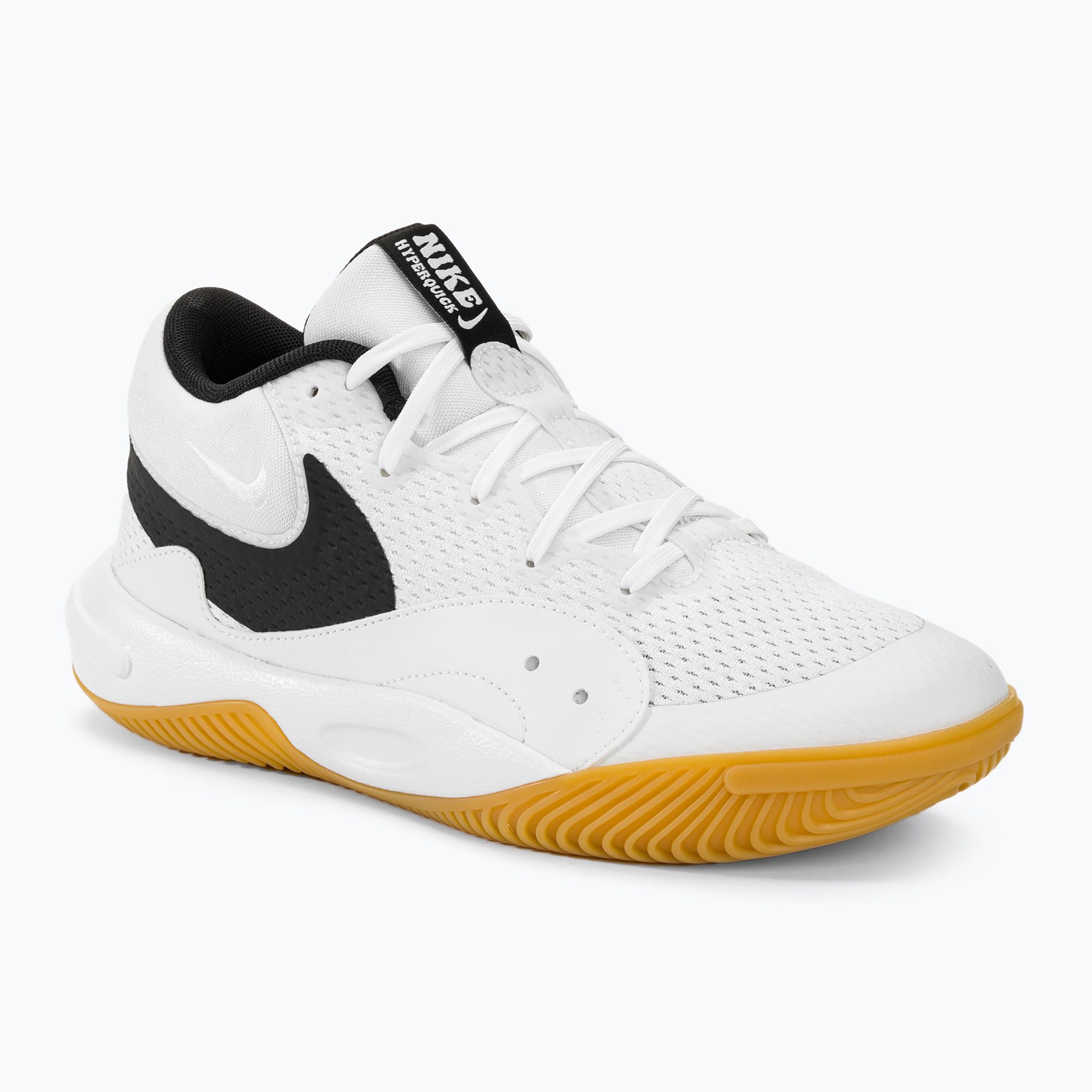
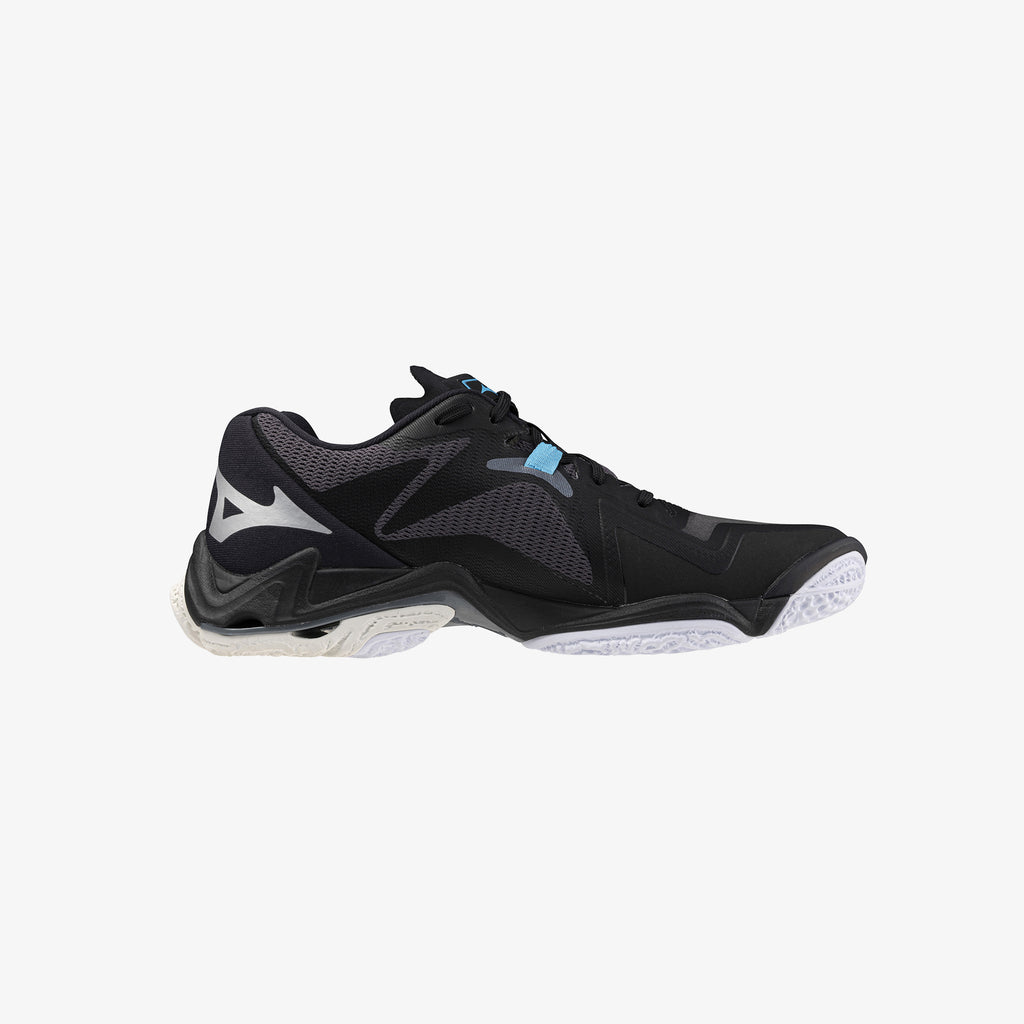
QUICK ANSWERVolleyball players usually wear volleyball-specific indoor court shoes with non-marking traction, lateral support, and cushioning for repeated jumps. Some competitive players use basketball shoes that meet the same movement needs, while beach players normally play barefoot or wear sand socks for protection. Running shoes are generally a poor substitute because they are built primarily for forward motion.
WHAT THIS GUIDE SOLVESExplain the footwear categories volleyball players actually use and how choices change by level, position, surface, and fit.
As an Amazon Associate, we may earn from qualifying purchases.
The standard choice for indoor volleyball
Dedicated volleyball shoes are designed for short court movements rather than continuous mileage. Their outsoles aim to grip polished gym floors, and their platforms combine lateral containment with enough flexibility for approach steps and defensive transitions. Common lines from ASICS, Mizuno, Nike, Adidas, and Under Armour span entry, speed-focused, and jump-focused designs.
Why some players wear basketball shoes
Basketball and volleyball share jumping, landing, and multidirectional movement, so a stable basketball shoe can cross over well. Players should screen out models that feel excessively heavy, have unstable high-stacked cushioning, or use an outsole pattern that struggles on dusty courts. The label matters less than how the shoe performs under volleyball-specific stops and lateral pushes.
COMPARE CURRENT OPTIONSSee volleyball shoes available now
Compare current models, sizes and colorways, then confirm the exact version and seller details on Amazon before purchasing.
Browse current options on Amazon ↗ Footwear changes with position and experience
Liberos and defensive specialists often choose a quick low-cut shoe with sharp braking traction. Hitters and middle blockers may favor a more protective platform for repeated landings, while setters usually seek a blend of speed, stability, and moderate cushioning. New players can start in a dependable entry court shoe and upgrade only when their schedule or movement demands justify it.
Indoor, grass, and beach are different environments
Soft indoor rubber wears quickly on abrasive outdoor courts and is not shaped for wet grass. Grass play calls for surface-appropriate outdoor traction, while organized beach volleyball is normally barefoot; sand socks are protection from temperature and abrasion rather than a traditional shoe. Keep indoor pairs off the street to preserve their outsole.
Frequently asked questions
Do professional volleyball players wear basketball shoes?
Some do, particularly when a basketball model provides suitable traction, containment, cushioning, and fit. Others prefer volleyball-specific shoes; professional use does not make every basketball model a good crossover.
What shoes should a beginner wear for volleyball?
A clean indoor court shoe with secure fit and lateral stability is the best starting point. An entry volleyball model is usually a safer choice than a soft running shoe.
Do volleyball players wear high tops?
Some players prefer high or mid tops for added upper coverage, but many compete in low tops. Collar height does not by itself prevent ankle injuries or guarantee support.
Can volleyball shoes be worn outside?
They can, but pavement quickly abrades the softer indoor outsole and carries grit back onto the court. Using a separate travel shoe helps preserve indoor traction.
What do beach volleyball players wear on their feet?
Most play barefoot. Sand socks are an option when the sand is very hot, cold, or abrasive.
Final verdict
Volleyball players usually wear volleyball-specific indoor court shoes with non-marking traction, lateral support, and cushioning for repeated jumps. Some competitive players use basketball shoes that meet the same movement needs, while beach players normally play barefoot or wear sand socks for protection. Running shoes are generally a poor substitute because they are built primarily for forward motion. Use the linked collection and model profiles to narrow the shortlist, then let secure fit and predictable court movement decide the final pair.