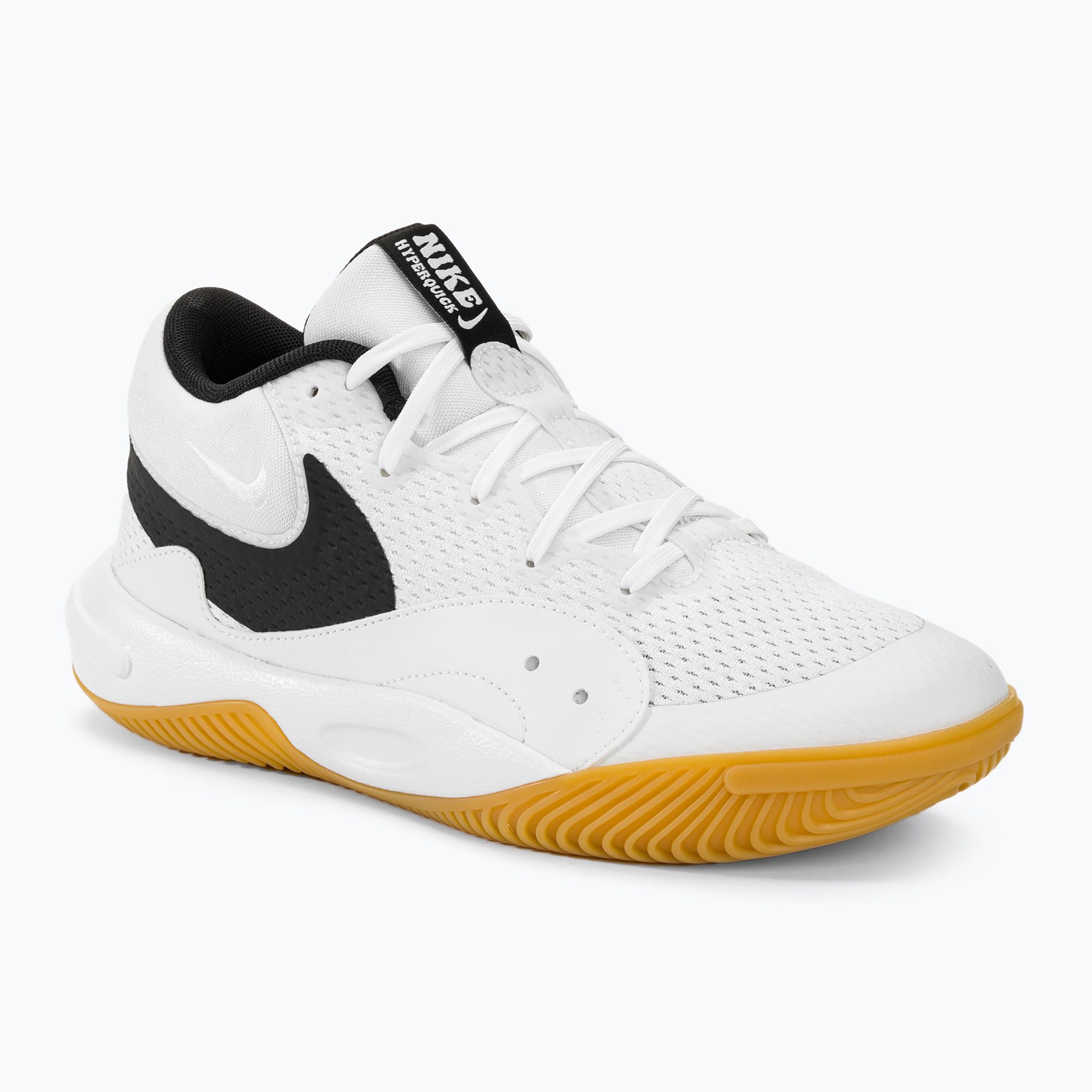
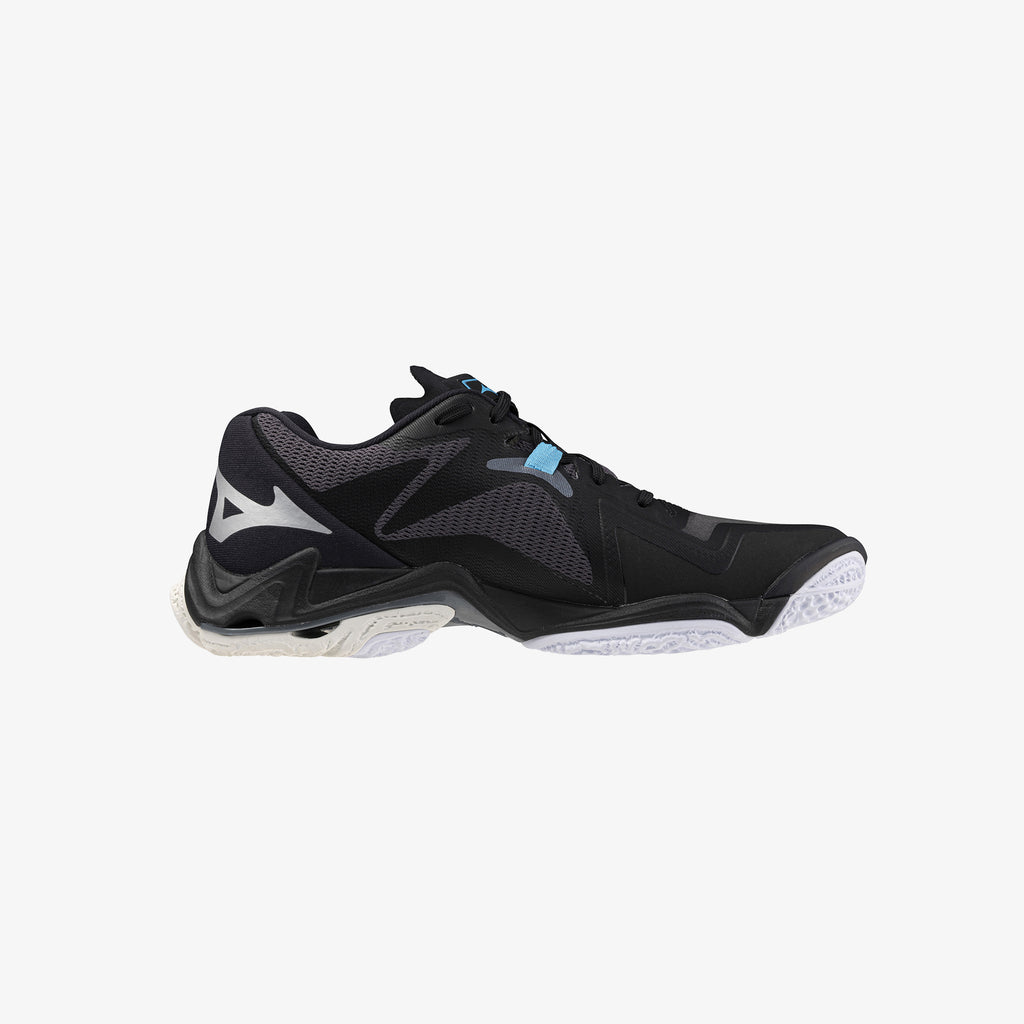
QUICK ANSWERWear a clean, non-marking indoor court shoe with dependable gym-floor traction, lateral stability, secure heel and midfoot fit, and cushioning appropriate for your jump volume. A dedicated volleyball shoe is the simplest choice, although a well-matched basketball shoe can also work. Keep the outsole off pavement so it remains clean and effective indoors.
WHAT THIS GUIDE SOLVESGive indoor players a concise footwear specification and a role-based path to suitable models.
As an Amazon Associate, we may earn from qualifying purchases.
Four features matter most indoors
First, the outsole must brake and push predictably on a smooth court. Second, the platform and upper must control side-to-side foot movement. Third, cushioning must soften repeated impacts without becoming unstable, and fourth, the fit must lock the heel while leaving functional toe room.
Choose a profile for your court role
Liberos and defensive specialists often benefit from a light shoe with immediate court feel and sharp transitions. Hitters and middle blockers may choose more structured cushioning for repeated approaches and landings. Setters generally need a balanced model that stays quick during coverage but is not harsh through repeated jump sets.
COMPARE CURRENT OPTIONSSee indoor volleyball shoes available now
Compare current models, sizes and colorways, then confirm the exact version and seller details on Amazon before purchasing.
Browse current options on Amazon ↗ Try the movements that expose a poor fit
When trying shoes, wear your volleyball socks and any brace or orthotic used in play. Perform controlled shuffles, split steps, stops, and small two-foot landings where permitted. Heel lift, toes hitting the front, pressure along the outside edge, or the foot spilling over the platform are stronger warning signs than how the shoe feels while standing still.
Protect the indoor outsole
Change into volleyball shoes at the gym instead of walking through parking lots in them. Wipe dust away with a lightly damp cloth and let the outsole dry fully before play. When cleaning no longer restores traction or the upper stops holding the foot, the shoe has reached the end of its useful court life.
Frequently asked questions
Do indoor volleyball shoes need gum soles?
They need suitable non-marking indoor traction, but the rubber does not have to be gum colored. Compound, pattern, cleanliness, and condition matter more than color.
Can I wear tennis shoes for indoor volleyball?
Some stable tennis shoes can work temporarily, but outdoor tennis outsoles are optimized for abrasive court surfaces and may not provide the same feel or grip indoors.
Should indoor volleyball shoes be low top?
Low, mid, and high cuts can all work. Choose based on fit, mobility preference, and overall stability rather than assuming one collar height is universally best.
Can volleyball shoes be used on sport-court tile?
Many can, but traction varies by tile, dust, and humidity. Test controlled movements in the actual facility and follow its footwear rules.
What should youth players wear indoors?
A properly fitting youth court shoe with clean non-marking traction is ideal. Avoid buying excessive growing room, which allows the foot to slide during stops.
Final verdict
Wear a clean, non-marking indoor court shoe with dependable gym-floor traction, lateral stability, secure heel and midfoot fit, and cushioning appropriate for your jump volume. A dedicated volleyball shoe is the simplest choice, although a well-matched basketball shoe can also work. Keep the outsole off pavement so it remains clean and effective indoors. Use the linked collection and model profiles to narrow the shortlist, then let secure fit and predictable court movement decide the final pair.