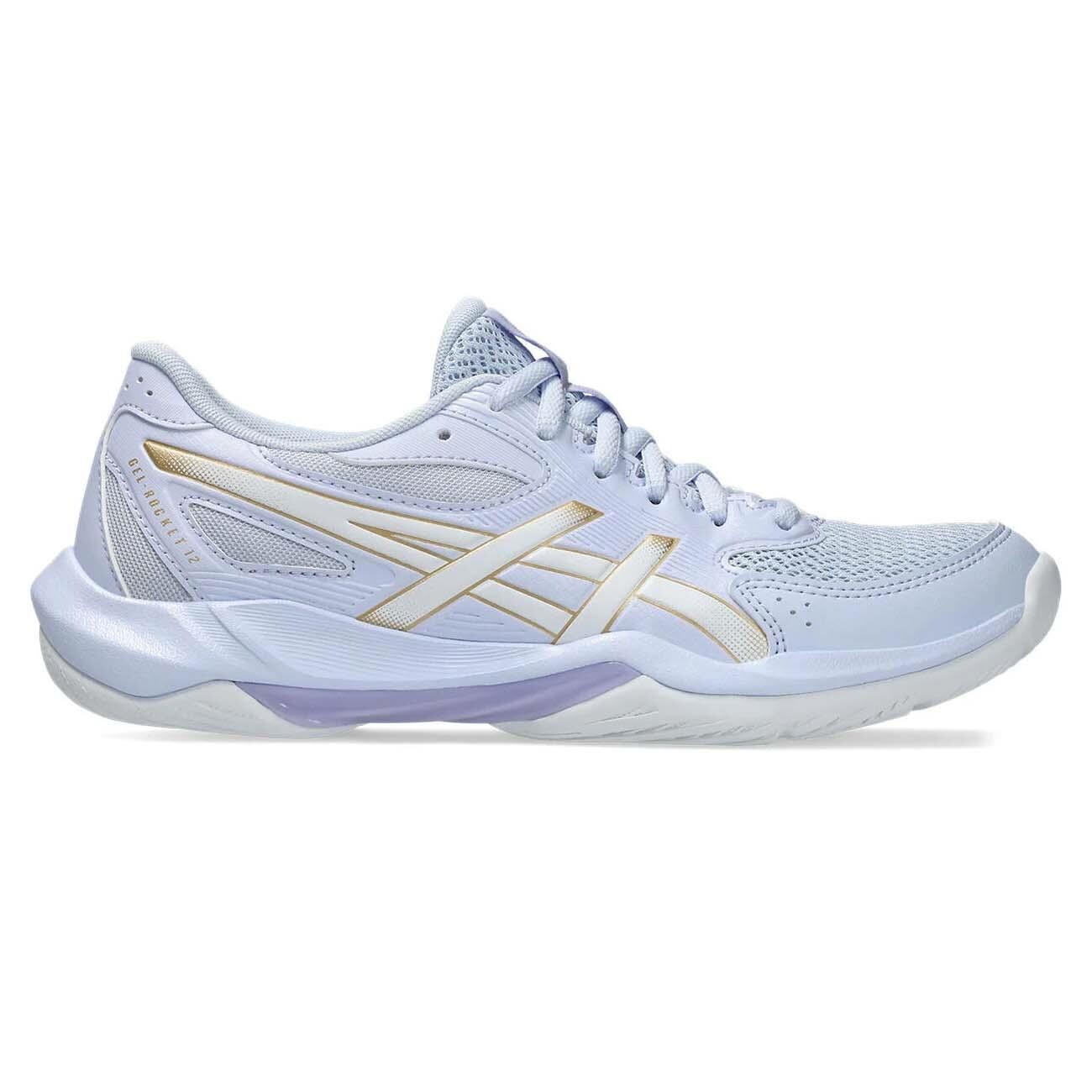
QUICK ANSWERYou can wear running shoes for a casual first session if no court shoes are available, but they are not a good long-term volleyball choice. Running shoes are shaped for forward travel and often place soft cushioning on a relatively narrow base, which can feel unstable during shuffles, cuts, and awkward landings. A volleyball, basketball, or indoor court shoe with lateral support is a better match.
WHAT THIS GUIDE SOLVESExplain why running shoes are a poor default for volleyball and give a practical transition path for new players.
As an Amazon Associate, we may earn from qualifying purchases.
Running geometry solves a different movement problem
Road-running shoes are built for repeated forward strides and heel-to-toe transition. Volleyball repeatedly pushes the foot sideways during defensive movement, approach adjustments, and emergency coverage. A high or narrow running platform can lean under that side load instead of supporting it.
Soft cushioning does not equal court stability
Plush foam may feel comfortable during warmups, but excessive compression can make hard plants feel vague. Court shoes balance impact protection with sidewalls, heel counters, and a broader or firmer base. That structure helps the foot remain centered when movement is not straight ahead.
COMPARE CURRENT OPTIONSSee volleyball court shoes available now
Compare current models, sizes and colorways, then confirm the exact version and seller details on Amazon before purchasing.
Browse current options on Amazon ↗ Traction patterns and wear differ
Running outsoles are designed for pavement, paths, or trails rather than polished wood or sport tile. They may grip acceptably in one gym and slide in another, and protruding lugs can feel awkward during pivots. Indoor court rubber is designed for cleaner, flatter surfaces and should be reserved for indoor use.
A sensible option for the first practice
If running shoes are the only option, choose the lowest and most stable pair, lace them securely, and avoid a worn or uneven outsole. Treat this as a temporary solution while learning whether volleyball will become regular. Entry-level court shoes can provide appropriate geometry without requiring premium pricing.
Frequently asked questions
Can a beginner play volleyball in running shoes?
For a low-intensity first session, it may be workable, but a stable court shoe is preferable as soon as practices involve fast lateral movement and jumping.
Are trail-running shoes good for indoor volleyball?
No. Their lugs are made for loose outdoor surfaces and can feel unpredictable on a flat gym floor; they may also violate facility rules if dirty.
Can cross-training shoes work for volleyball?
A low, stable training shoe can be a better temporary option than a plush running shoe, but its gym-floor traction and flexibility still need to be assessed.
Why do my ankles feel unstable in running shoes on court?
The issue may be the narrow or soft platform and inadequate lateral containment rather than collar height. Stop using any shoe that feels unstable and switch to a suitable court model.
Do running shoes provide enough cushioning for jumping?
They may provide cushioning, but it is not necessarily stable under multidirectional landing forces. Volleyball footwear needs impact control and lateral structure together.
Final verdict
You can wear running shoes for a casual first session if no court shoes are available, but they are not a good long-term volleyball choice. Running shoes are shaped for forward travel and often place soft cushioning on a relatively narrow base, which can feel unstable during shuffles, cuts, and awkward landings. A volleyball, basketball, or indoor court shoe with lateral support is a better match. Use the linked collection and model profiles to narrow the shortlist, then let secure fit and predictable court movement decide the final pair.