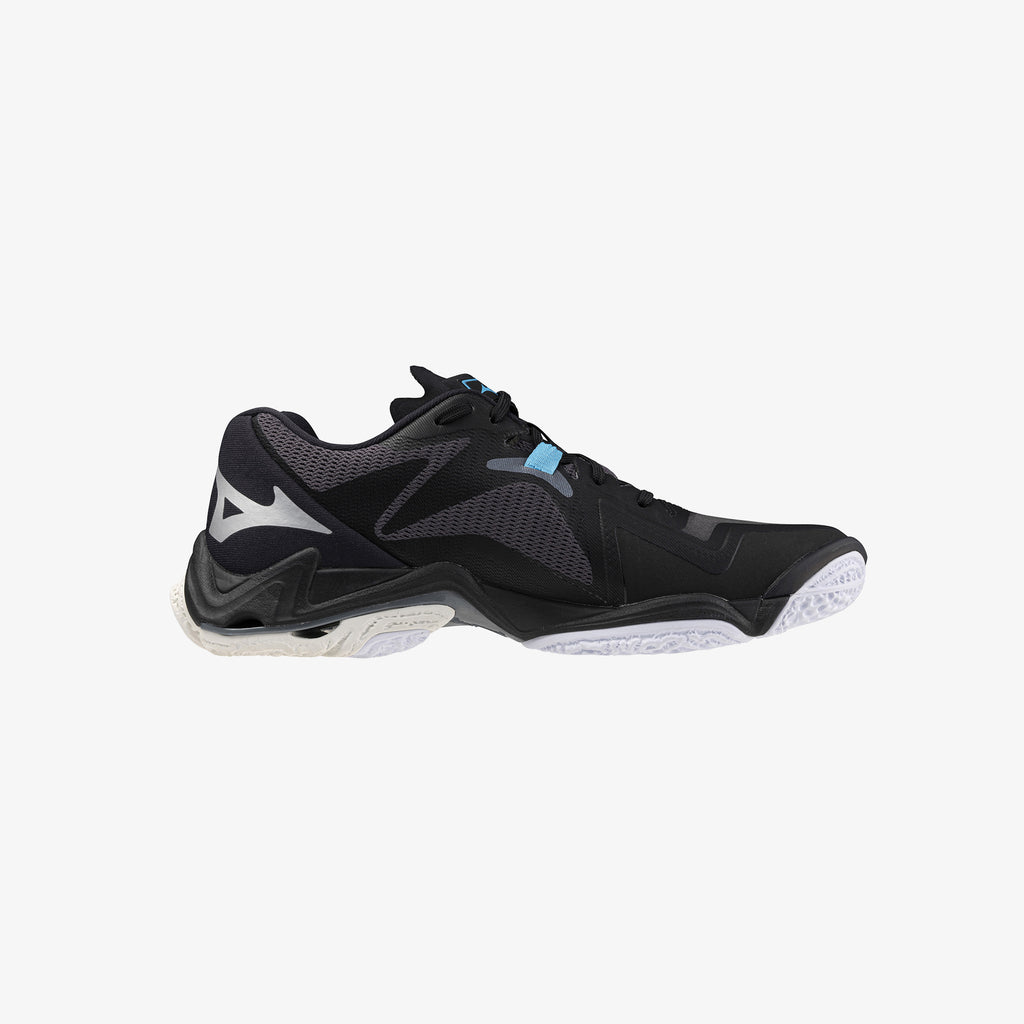
QUICK ANSWERVolleyball shoes span entry, midrange performance, and premium tiers, and the right amount to spend depends on playing frequency and fit—not a single target price. New or occasional players can do well in an entry court shoe, while frequent club players may benefit from more refined cushioning, containment, and materials. Current prices and discounts change, so compare the exact size and seller rather than relying on a static number.
WHAT THIS GUIDE SOLVESHelp shoppers set a realistic volleyball-shoe budget and understand which performance differences justify paying more.
As an Amazon Associate, we may earn from qualifying purchases.
What an entry shoe should still provide
A lower-priced pair should not compromise the basics: clean-court traction, lateral stability, secure fit, and a platform that feels controlled. Entry models often use simpler cushioning and upper construction, but they can be entirely appropriate for beginners, school practices, or lower jump volumes. Fit is still more important than choosing a discounted premium model in the wrong shape.
What changes in performance and premium tiers
Higher tiers may add more responsive foam, targeted support pieces, lighter or more durable uppers, and a better-tuned transition. Those refinements matter most when a player trains often, plays long tournament days, or has a clear preference for speed versus impact protection. A higher list price does not guarantee better traction or compatibility with every foot.
COMPARE CURRENT OPTIONSSee volleyball shoes available now
Compare current models, sizes and colorways, then confirm the exact version and seller details on Amazon before purchasing.
Browse current options on Amazon ↗ Evaluate cost per useful season
A cheap shoe that loses containment quickly can cost more in the long run than a durable, well-matched pair. Conversely, young players may outgrow shoes before wearing them out, making a sensible entry model the better value. Track playing frequency, outsole condition, cushioning compression, and upper stretch rather than treating cost alone as a durability signal.
Shop sales without buying the wrong shoe
Previous-generation models and uncommon colorways often receive discounts, but verify that the listing is the correct model, width, and size. Review the seller and return terms before ordering, especially when marketplace inventory is involved. A sale is useful only when the shoe meets the same fit and performance requirements you would apply at full price.
Frequently asked questions
Are expensive volleyball shoes worth it?
They can be for frequent players who benefit from their specific cushioning, weight, or support design. They are not worth it when the fit is wrong or an entry model already meets the player’s needs.
Can beginners buy cheap volleyball shoes?
Yes, provided the shoe is a stable indoor model with appropriate traction and fit. Beginners do not need flagship technology to learn sound movement.
Do last year’s volleyball shoes still work?
A previous generation can be an excellent value if it is new, fits properly, and the seller and return policy are acceptable. Availability may be limited by size or color.
Should youth players get premium volleyball shoes?
Usually only when their schedule and needs justify it. Because feet grow, correct current fit and adequate court function often matter more than premium materials.
Why do prices vary by size on Amazon?
Marketplace price and inventory can differ by size, color, and seller. Confirm the final selection and seller before comparing one listing with another.
Final verdict
Volleyball shoes span entry, midrange performance, and premium tiers, and the right amount to spend depends on playing frequency and fit—not a single target price. New or occasional players can do well in an entry court shoe, while frequent club players may benefit from more refined cushioning, containment, and materials. Current prices and discounts change, so compare the exact size and seller rather than relying on a static number. Use the linked collection and model profiles to narrow the shortlist, then let secure fit and predictable court movement decide the final pair.