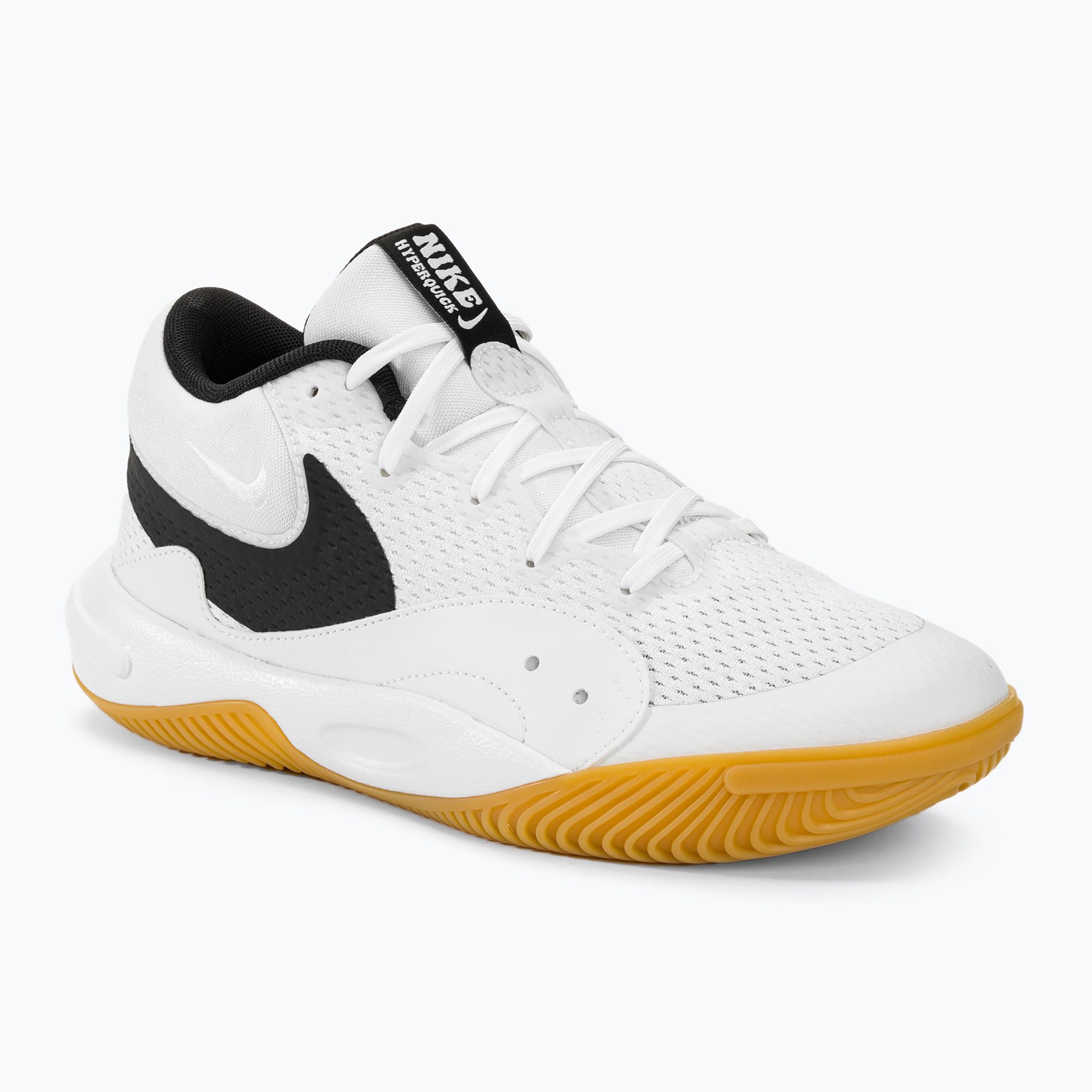
QUICK ANSWERDefensive specialists should prioritize predictable braking grip, a low stable platform, and a fit that keeps the heel and forefoot synchronized during sudden pursuit. Because their court time may come in intense bursts, the shoe should feel ready without a long warmup. Cushioning still matters, but it should not blur quick foot placement.
WHAT THIS GUIDE SOLVESIdentify footwear for a defensive specialist's short substitutions, serve receive, pursuit, and precise braking.
As an Amazon Associate, we may earn from qualifying purchases.
Optimize for the first movement
A defensive specialist may enter for a brief back-row rotation and immediately face serve receive. There is little time to adjust to loose lacing or a cushioning platform that feels different after sitting. The shoe should hold the foot consistently from the first split step and should not require heat or sweat to become secure.
Traction needs to support short reaction steps as well as a longer pursuit outside the court boundary. Look for an outsole that transitions smoothly from initial contact into braking instead of grabbing at one small edge.
Compare defensive containment
During a late read, the upper has to stop the foot while the outsole changes direction. A supportive sidewall, well-placed overlays, and a locked heel can reduce internal delay. If the forefoot slides over the insole or the toes brace against the upper, the player is compensating for the fit.
A low cut often suits the deep ankle positions used in passing, but cut alone does not make a shoe agile. Check whether the collar shape allows comfortable flexion and whether the platform remains wide enough under the loaded forefoot.
COMPARE CURRENT OPTIONSSee volleyball shoes defensive specialist available now
Compare current models, sizes and colorways, then confirm the exact version and seller details on Amazon before purchasing.
Browse current options on Amazon ↗ Separate DS and libero priorities
The movement demands overlap heavily, so many libero shoes also suit defensive specialists. A DS who serves and plays only part of the back row may tolerate a firmer, more minimal ride, while a libero staying on court continuously may value additional long-session comfort.
Use the actual substitution pattern and practice workload. Even short-match rotations can follow long defensive drills, so the final choice should survive the full weekly schedule rather than only the match stat line.
Frequently asked questions
Are libero shoes also good for defensive specialists?
Usually, because both roles value fast braking, lateral stability, and secure fit. Adjust cushioning to the player's total practice time and personal preference.
Should a defensive specialist choose the lightest shoe?
No. Low weight helps only if traction, containment, and platform stability remain dependable during emergency movement.
Do defensive specialists need much heel cushioning?
They need enough overall comfort for their workload, but stable forefoot and lateral control often influence their movement more than a very soft heel.
How can I test a shoe for serve receive?
Hold a low stance, take short split steps, shuffle, then crossover and stop. Watch for heel lift, upper pressure, and the foot moving over the platform edge.
Can defensive specialists wear mid-tops?
Yes, if the collar permits a comfortable low stance and the added structure does not slow or disrupt their preferred movement.
Final verdict
Defensive specialists should prioritize predictable braking grip, a low stable platform, and a fit that keeps the heel and forefoot synchronized during sudden pursuit. Because their court time may come in intense bursts, the shoe should feel ready without a long warmup. Cushioning still matters, but it should not blur quick foot placement. Use the linked collection and model profiles to narrow the shortlist, then let secure fit and predictable court movement decide the final pair.