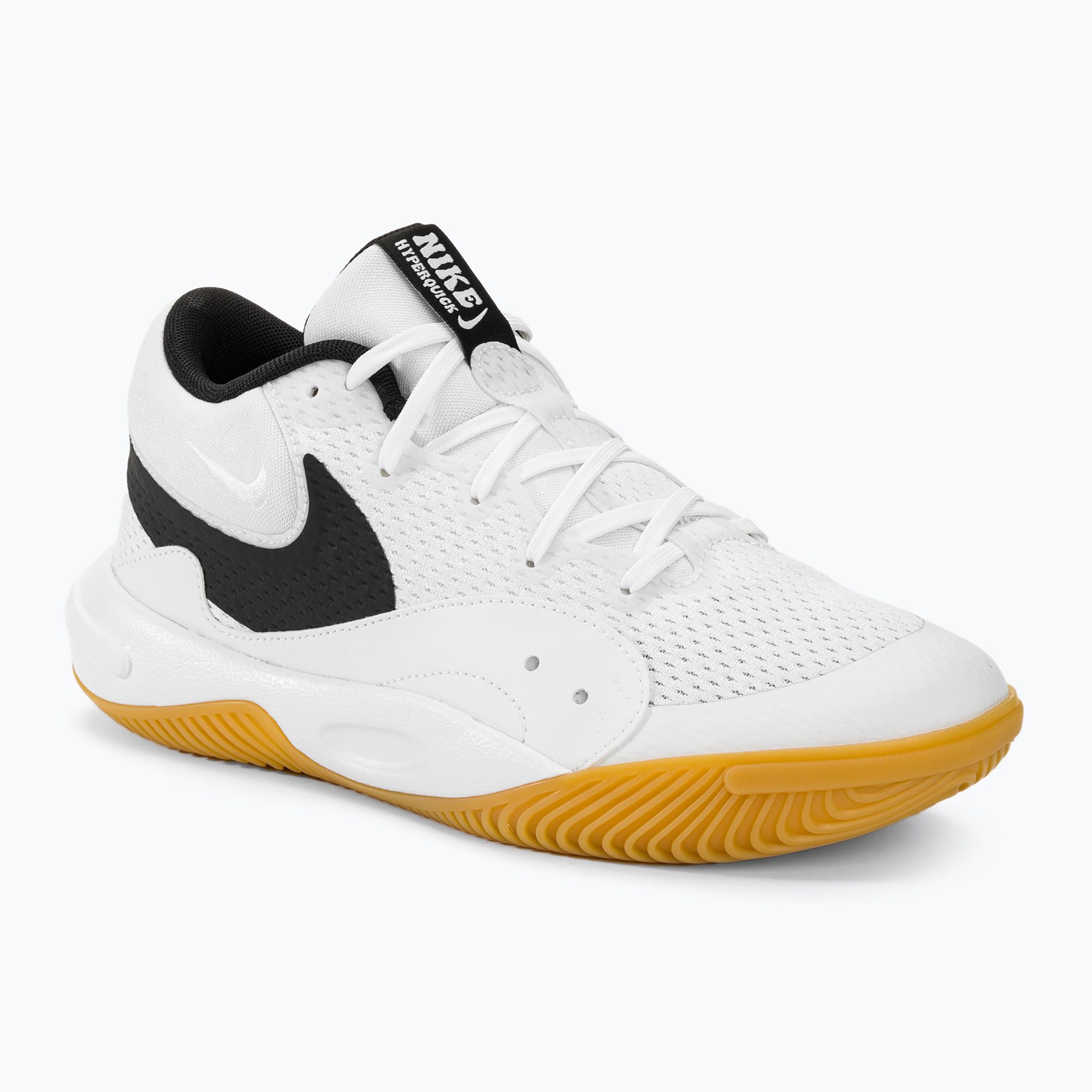
QUICK ANSWERSetters need a balanced court shoe: quick enough for repeated short accelerations, stable enough for off-angle stops, and cushioned enough for jump setting and blocking. Secure heel and midfoot fit matter because setters change direction before the shoe has time to settle. Avoid choosing only by softness or by a single listed weight.
WHAT THIS GUIDE SOLVESChoose a balanced shoe for a setter's constant transitions, jump sets, emergency pursuits, and net defense.
As an Amazon Associate, we may earn from qualifying purchases.
Plan for movement before and after the set
The setter often leaves base position, runs toward an imperfect pass, squares to target, and then transitions immediately to defense. That sequence favors an outsole with dependable grip in several directions and a platform that stays calm when the last step arrives off balance. A shoe can feel fast in a straight sprint yet struggle during the final plant under the ball.
Forefoot flexibility should allow a natural adjustment step without letting the shoe twist loosely through the midfoot. The useful middle ground is a chassis that bends where the toes need to load while resisting unwanted roll when the player stops on an edge.
Balance jump-set cushioning and floor feedback
Setters who jump set frequently need repeatable cushioning, not simply a plush heel. The forefoot should feel controlled during takeoff, and the landing should settle without a second wobble that delays the next defensive movement. A broad, stable foam geometry is often more valuable than maximum stack height.
A setter who stays grounded more often may prefer a quicker, lower ride, while a front-row setter with regular blocking duties may want additional impact protection. Use actual rotation and jump volume to choose the level of shoe rather than assuming every setter has the same workload.
COMPARE CURRENT OPTIONSSee volleyball shoes available now
Compare current models, sizes and colorways, then confirm the exact version and seller details on Amazon before purchasing.
Browse current options on Amazon ↗ Use a setter-specific tryout sequence
Rehearse a short release from right back to target, a two-foot stop, a jump-set motion, and a transition along the net. The foot should not surge forward during the stop or drift sideways as the hips square. Repeat the sequence when slightly fatigued, because loose fit and unstable cushioning become clearer when footwork is less precise.
Check the collar and tongue during repeated ankle flexion. They should hold the rearfoot without biting into the front of the ankle. If secure lockdown depends on overtightening the top eyelets, compare another last or lacing arrangement.
Frequently asked questions
Should setters wear light shoes?
A reasonably light shoe can support fast releases, but stability and secure fit come first. A slightly heavier model that stops predictably may perform better than a minimal shoe that allows foot movement.
Do setters need extra forefoot cushioning?
Jump setters can benefit from resilient forefoot cushioning, provided it stays stable during direction changes. Ground-setting specialists may prioritize lower court feel instead.
Are mid-tops useful for setters?
They can be if the collar fits comfortably and the added structure does not restrict the player's preferred movement. Mid-cut height alone does not create support.
Can one shoe work for setters and liberos?
Yes. Both roles value grip, quick transitions, and lateral control, though a high-volume jump setter may prefer more cushioning than a defense-only player.
How should setter shoes feel during a stop?
The heel should remain seated, the foot should stay centered over the platform, and the cushioning should settle immediately rather than rocking after the plant.
Final verdict
Setters need a balanced court shoe: quick enough for repeated short accelerations, stable enough for off-angle stops, and cushioned enough for jump setting and blocking. Secure heel and midfoot fit matter because setters change direction before the shoe has time to settle. Avoid choosing only by softness or by a single listed weight. Use the linked collection and model profiles to narrow the shortlist, then let secure fit and predictable court movement decide the final pair.