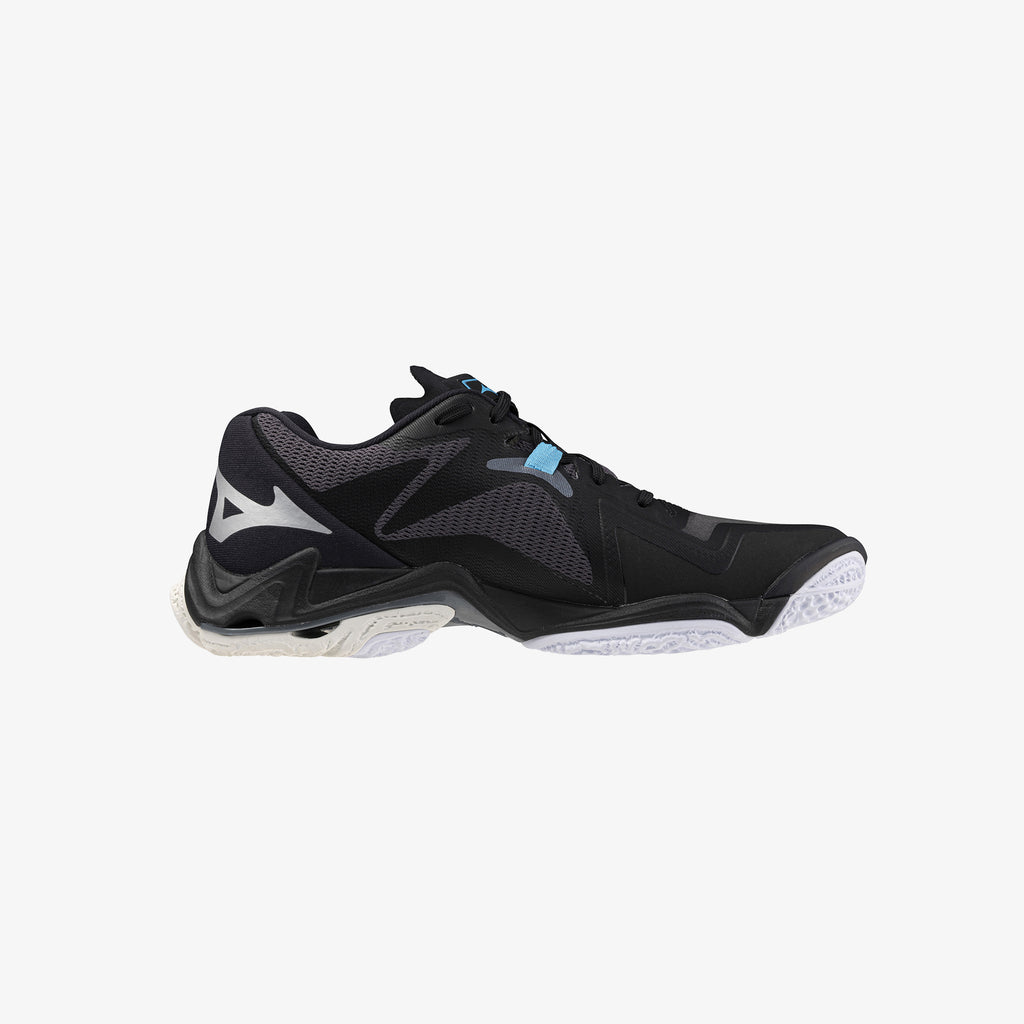
QUICK ANSWERBoys' volleyball shoes should fit the current foot securely, provide clean indoor traction, and suit the player's real position and practice load. Category labels are less important than correct size conversion and shape: youth, men's, and unisex models can all work when length, width, heel hold, and weight are appropriate. Avoid excessive growth room and unnecessarily bulky adult shoes.
WHAT THIS GUIDE SOLVESHelp families choose boys' volleyball footwear across youth, grade-school, men's, and unisex sizing transitions.
As an Amazon Associate, we may earn from qualifying purchases.
Navigate the youth-to-adult size transition
Players near the top of youth sizing may see the same nominal number used differently across grade-school, men's, and unisex listings. Follow the exact brand chart and confirm internal length rather than assuming the labels continue in a straight line. A model change can also bring a deeper heel, wider base, or heavier build.
Fit both feet in the socks used for practice. The toes need safe stopping room, but the heel should not rise when the player crouches and accelerates. If an adult model feels too voluminous, a youth-specific shoe in the correct length may remain the better choice.
Match the shoe to developing movement
Beginners need predictable grip and a stable, comfortable fit before specialized jump technology. A light entry court shoe can work for school practices and multi-position play when the outsole and upper control lateral movement. More advanced players with higher jump volume may benefit from additional cushioning and structure.
Body weight or age alone does not determine the tier. Consider weekly court hours, position, tournament schedule, and how forcefully the player moves. The best shoe is one he can control without fatigue or internal sliding.
COMPARE CURRENT OPTIONSSee boys volleyball shoes available now
Compare current models, sizes and colorways, then confirm the exact version and seller details on Amazon before purchasing.
Browse current options on Amazon ↗ Check growth and wear together
Rapid growth can make a structurally sound shoe too short, while a growth spurt can also change width and volume. Ask about toe contact and side pressure regularly, and repeat controlled stops to expose changes. Do not wait for visible holes before checking fit.
At the same time, inspect tread, foam, heel lining, and upper containment. Replacing only because the calendar changed can waste a good pair, but continuing with lost traction or a sliding fit undermines court control.
Frequently asked questions
Can boys wear men's volleyball shoes?
Yes, once the measured foot fits the model's size range and the shoe's volume and weight are manageable. Confirm the exact conversion and movement fit.
Can boys wear women's volleyball shoes?
A shoe category does not determine who can use it. If sizing is converted accurately and the shape, length, width, and platform fit the player, it can be an option.
How much should families spend on youth volleyball shoes?
Spend enough for dependable fit, clean-court traction, and appropriate stability. A growing beginner may not benefit from premium features that do not match his workload.
Should boys' volleyball shoes have extra ankle support?
Focus first on heel hold, lateral containment, and platform stability. A higher collar changes coverage and feel but does not guarantee injury prevention.
How often should boys' shoe size be checked?
Check throughout the season and whenever there is new toe pressure, side pressure, heel slip, or a visible growth spurt.
Final verdict
Boys' volleyball shoes should fit the current foot securely, provide clean indoor traction, and suit the player's real position and practice load. Category labels are less important than correct size conversion and shape: youth, men's, and unisex models can all work when length, width, heel hold, and weight are appropriate. Avoid excessive growth room and unnecessarily bulky adult shoes. Use the linked collection and model profiles to narrow the shortlist, then let secure fit and predictable court movement decide the final pair.