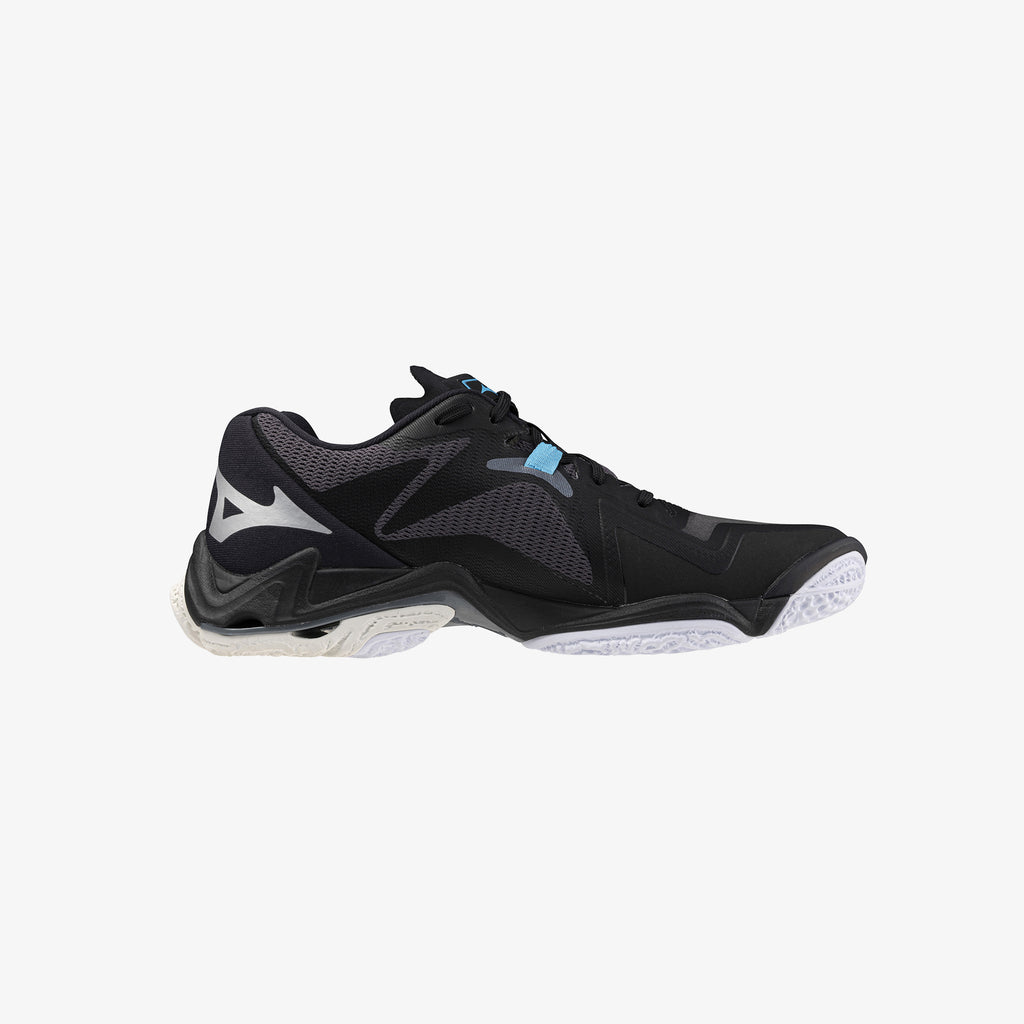
QUICK ANSWERTournament shoes should maintain secure fit, predictable traction, and controlled cushioning from warmups through later matches. Choose a proven pair before travel, keep the outsole clean and the upper dry between sessions, and pack a usable backup if the schedule or trip makes replacement difficult. Do not debut an untested model on tournament morning.
WHAT THIS GUIDE SOLVESPrepare youth and club players to choose and manage shoes across long multi-match tournament days.
As an Amazon Associate, we may earn from qualifying purchases.
Choose for accumulated court time
A tournament shoe experiences much more than match minutes. Warmups, work-team duties, long walks through a venue, and repeated cooling and reheating all affect comfort. The pair should stay secure as socks become damp and padding settles, without requiring progressively tighter lacing.
Match cushioning to the player's position and jump load, then verify that it remains stable during late-session cuts. A very soft first impression can be misleading if the platform leans after hours of use.
Break in by testing, not by forcing
Use new shoes in several short practices, progressing from footwork to normal play. This confirms sizing and allows collar padding to settle without artificially bending the shoe or applying heat. The pair should be comfortable and court-ready before the travel bag is packed.
Keep the old pair until the new one has passed full practice intensity. If both remain safe and functional, the older pair can serve as a backup for a broken lace, soaked upper, or unexpected traction issue.
COMPARE CURRENT OPTIONSSee youth volleyball shoes available now
Compare current models, sizes and colorways, then confirm the exact version and seller details on Amazon before purchasing.
Browse current options on Amazon ↗ Manage shoes between matches
Use court shoes only inside the playing area so dust, pavement grit, and moisture do not coat or abrade the outsole. Wipe ordinary dust with a clean slightly damp cloth when needed and let the sole dry fully. Avoid sticky substances that collect debris and make grip inconsistent.
Loosen laces, open the tongue, and allow the upper to air between sessions. Pack spare laces and dry socks, and carry shoes where they are not crushed under equipment. Avoid direct high heat, which can damage foam, adhesives, and upper materials.
Know when the backup becomes the starter
Switch pairs if the primary shoe develops outsole separation, a failed lace system, persistent internal sliding, or traction that cleaning does not restore. The backup must already fit and move correctly; an unused emergency shoe is just another unknown.
Youth players may also outgrow a pair between major events. Recheck toes, width, and heel hold before departure rather than discovering a size problem during the first pool-play match.
Frequently asked questions
Should club players bring two pairs of volleyball shoes?
A tested backup is useful for long events and travel, especially when quick replacement is difficult. Both pairs must fit and have dependable traction.
Can a player wear new shoes for the first time at a tournament?
It is better to test them through progressive practice first. Tournament morning is a poor time to discover heel slip, toe pressure, or unstable movement.
How should shoes dry between matches?
Loosen them, open the tongue, remove them from a sealed bag, and air dry away from direct high heat.
Should court shoes be worn around the venue?
Limit them to clean indoor playing surfaces when possible. Hallway and outdoor debris can reduce grip and speed outsole wear.
What belongs in a tournament shoe kit?
Pack the tested shoes, a backup pair when practical, spare laces, clean socks, and a clean cloth for ordinary outsole dust.
Final verdict
Tournament shoes should maintain secure fit, predictable traction, and controlled cushioning from warmups through later matches. Choose a proven pair before travel, keep the outsole clean and the upper dry between sessions, and pack a usable backup if the schedule or trip makes replacement difficult. Do not debut an untested model on tournament morning. Use the linked collection and model profiles to narrow the shortlist, then let secure fit and predictable court movement decide the final pair.